On The Shape of Language
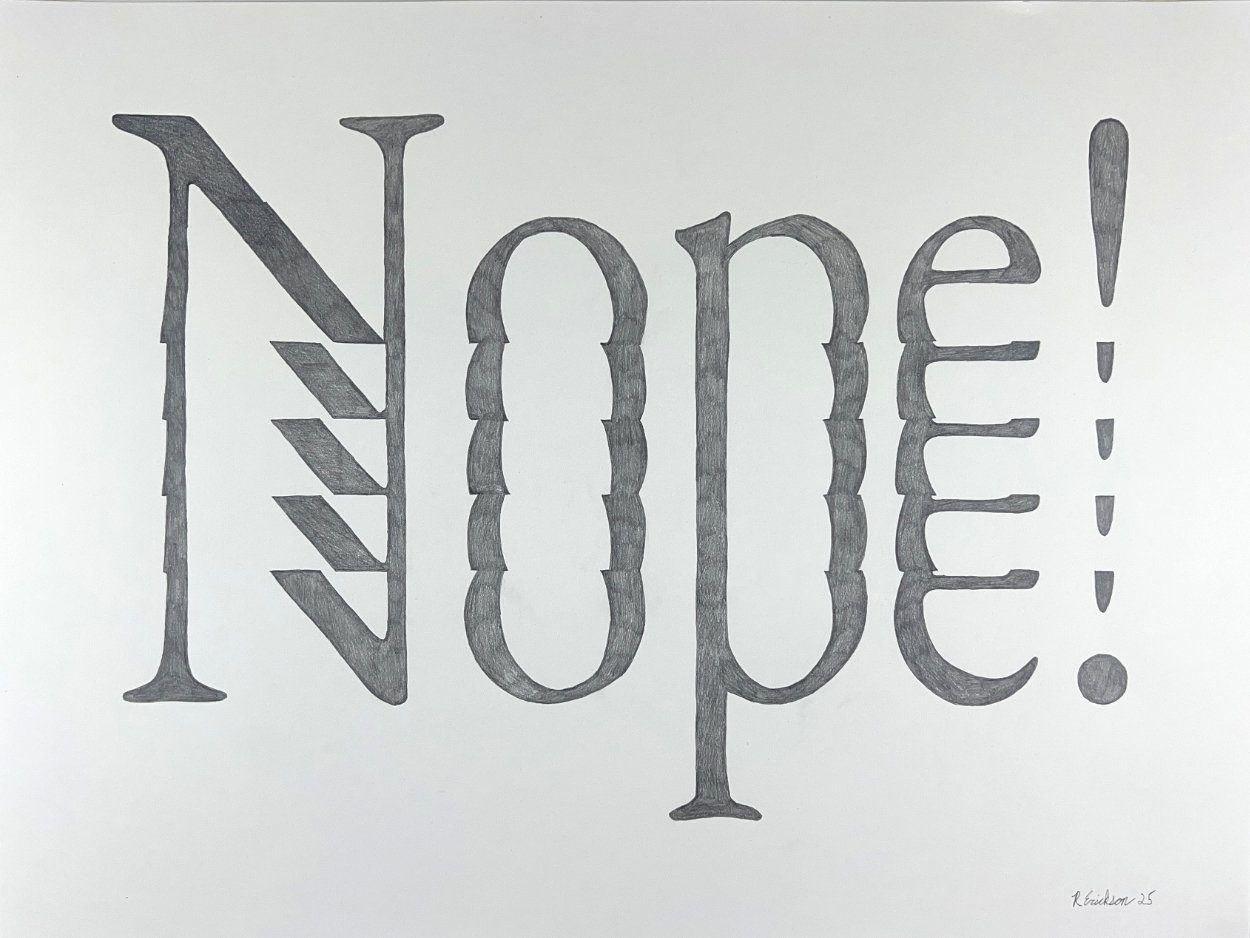
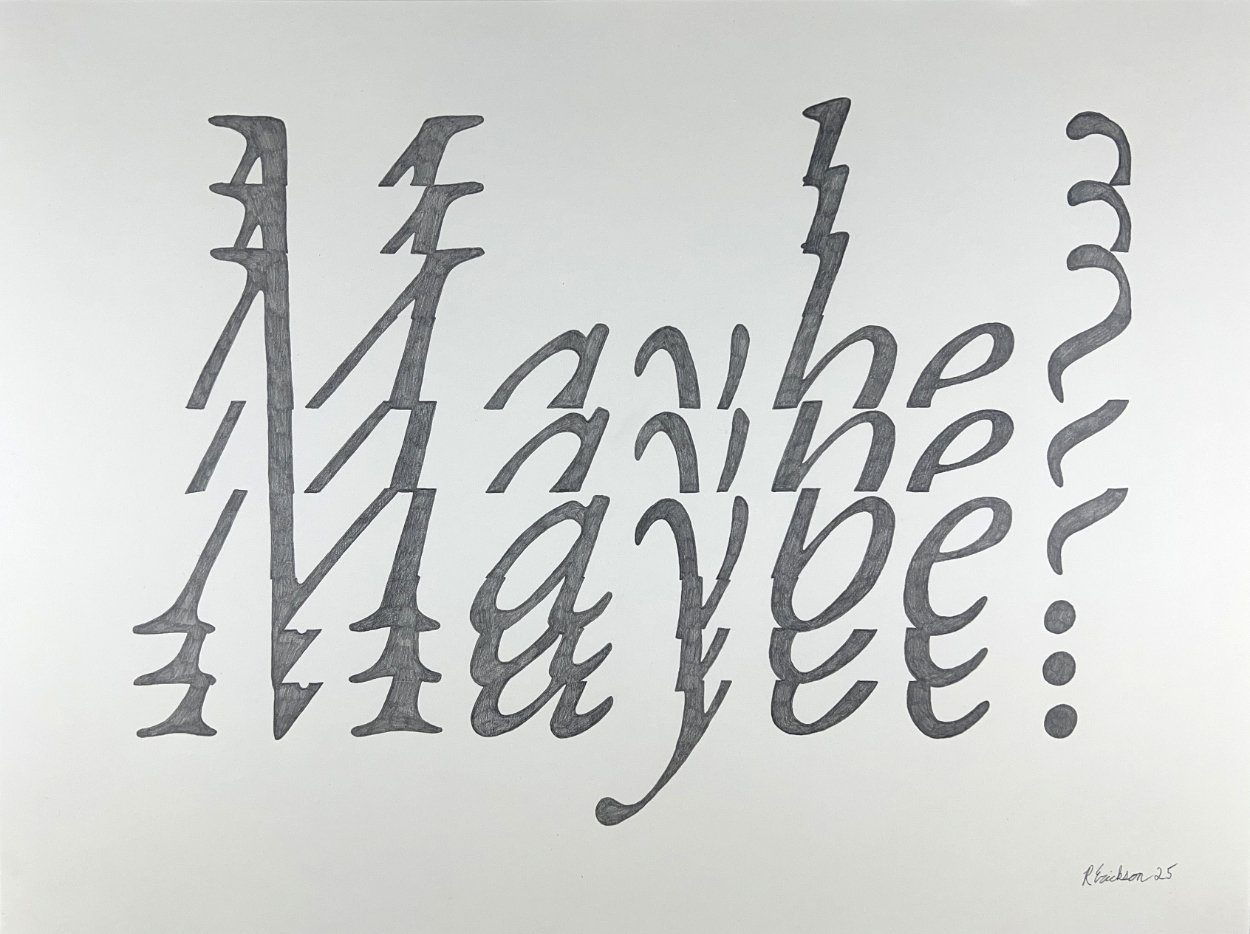
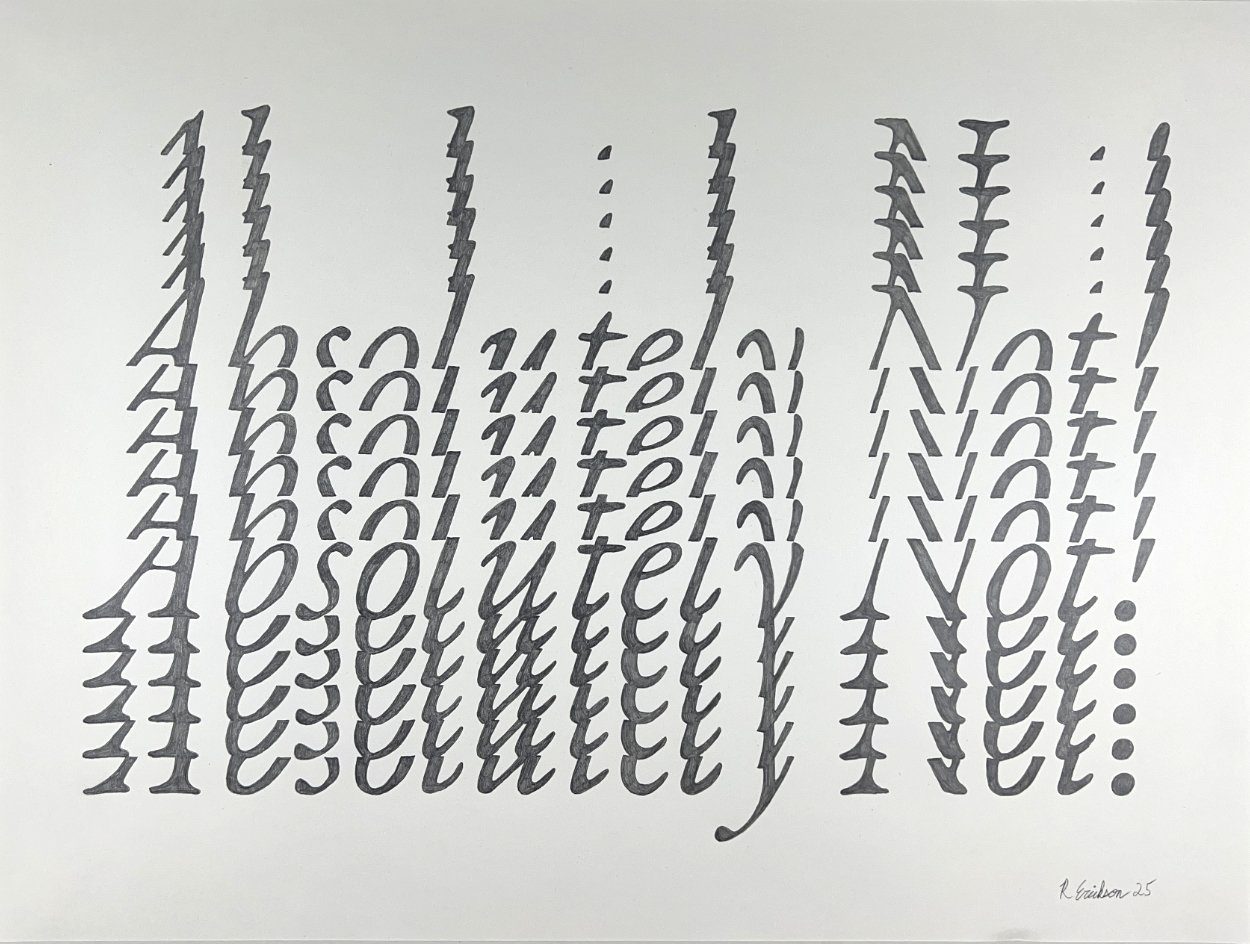
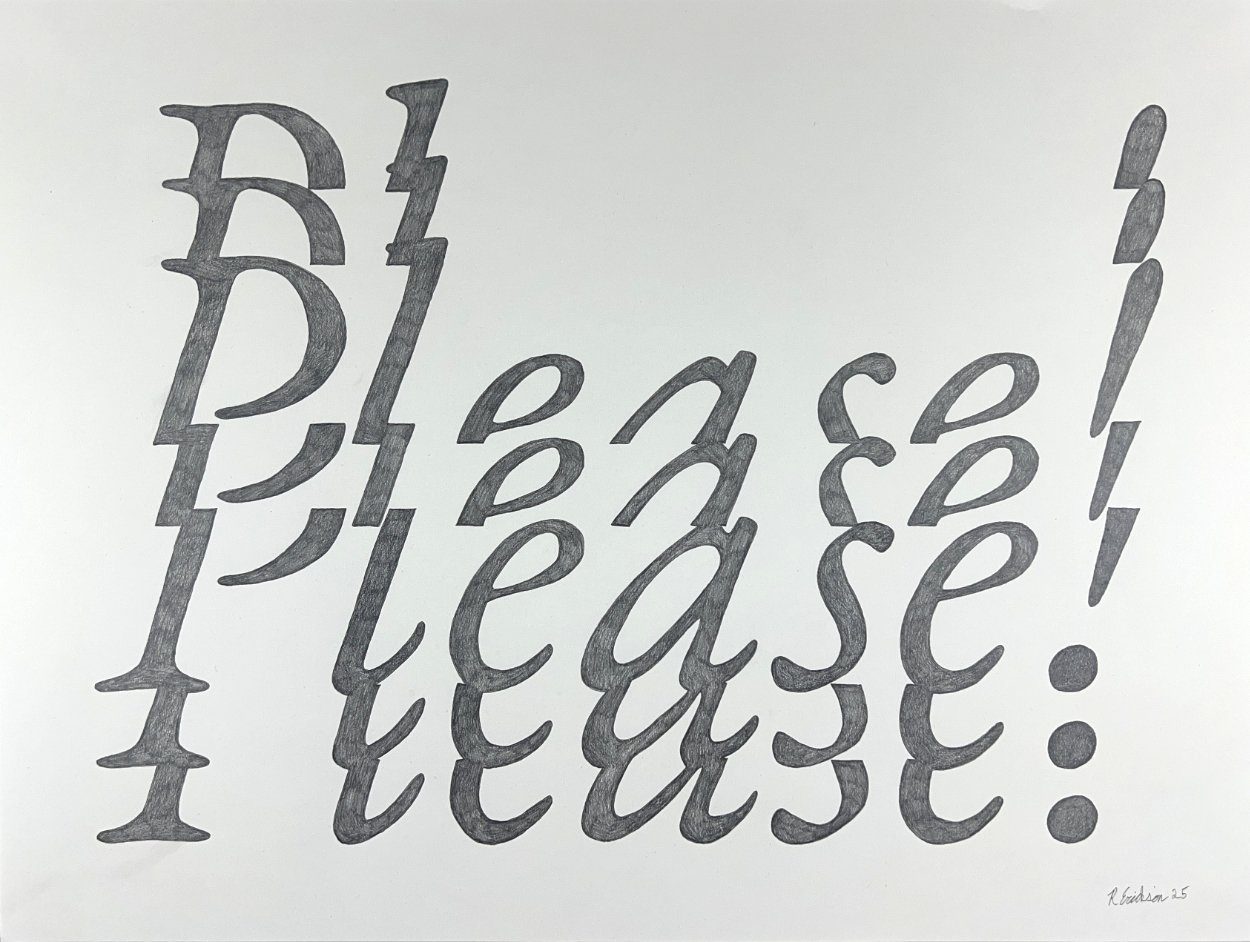
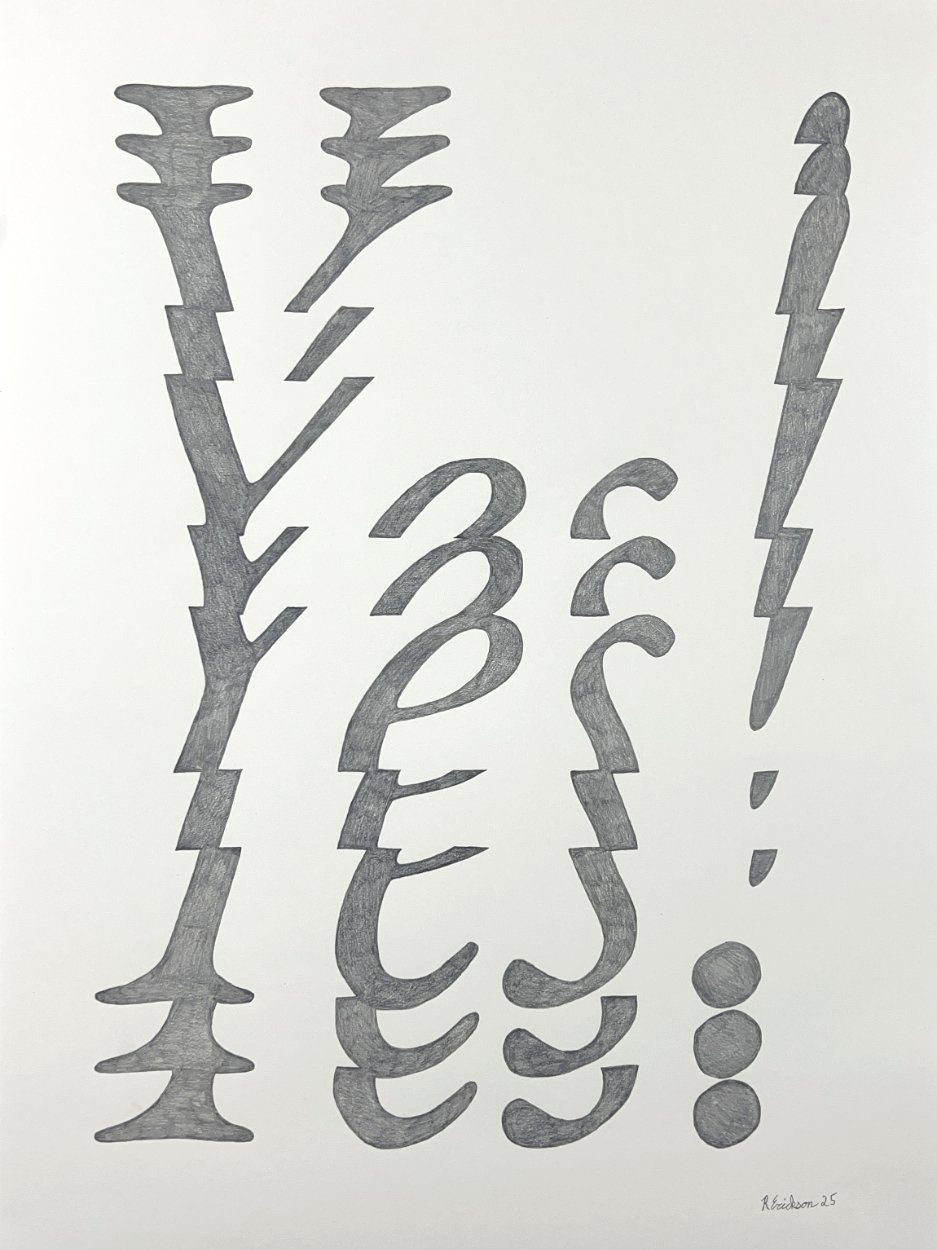
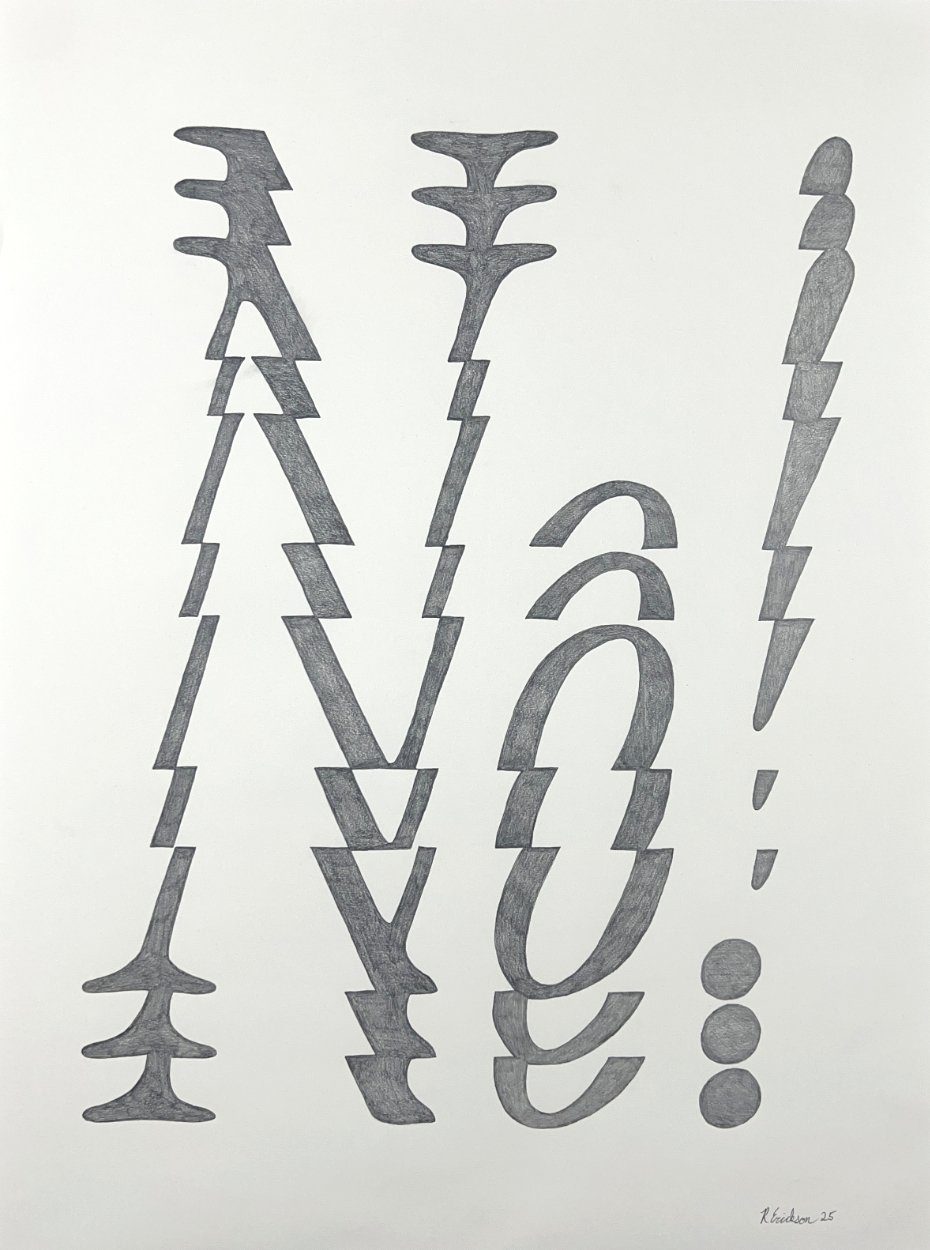
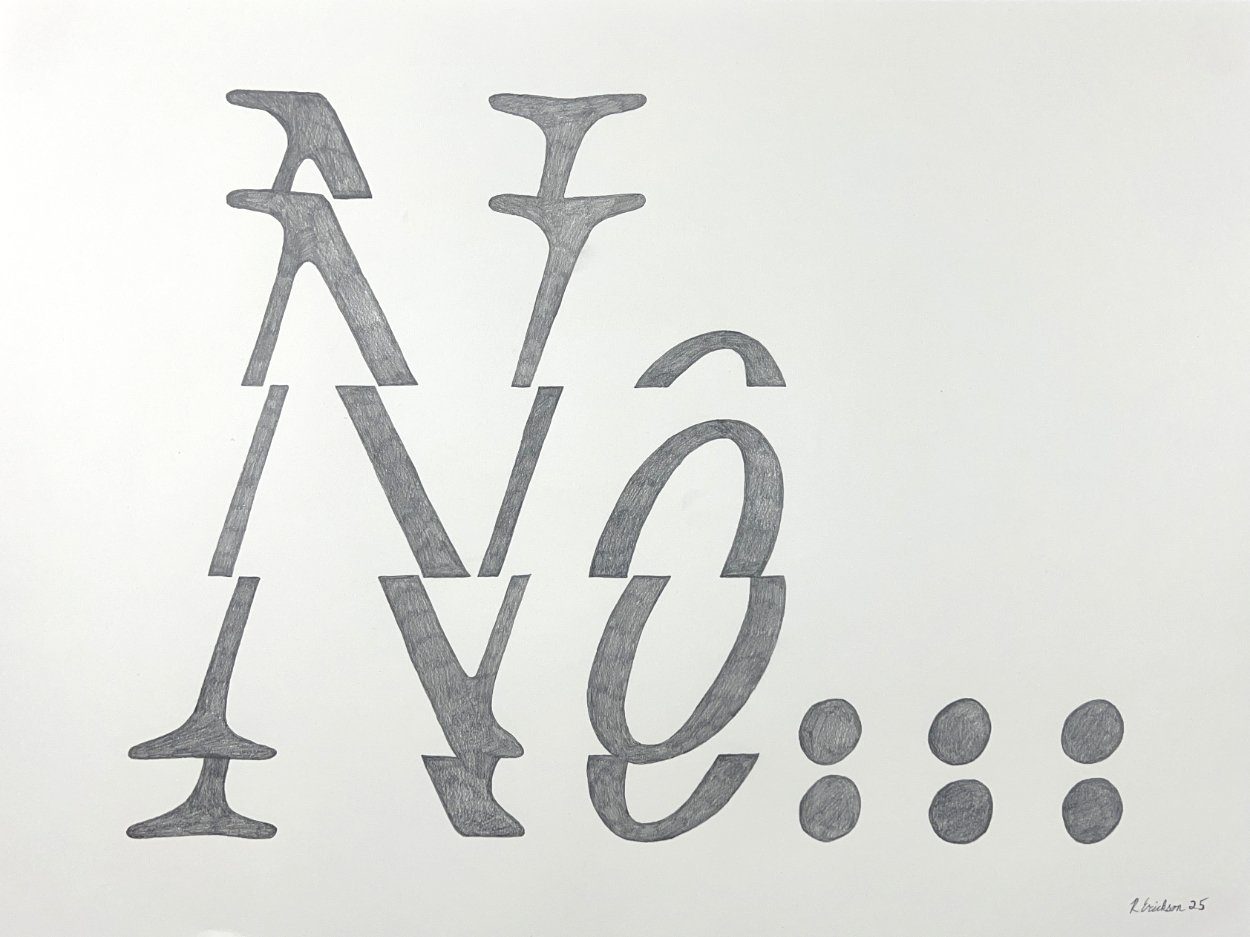
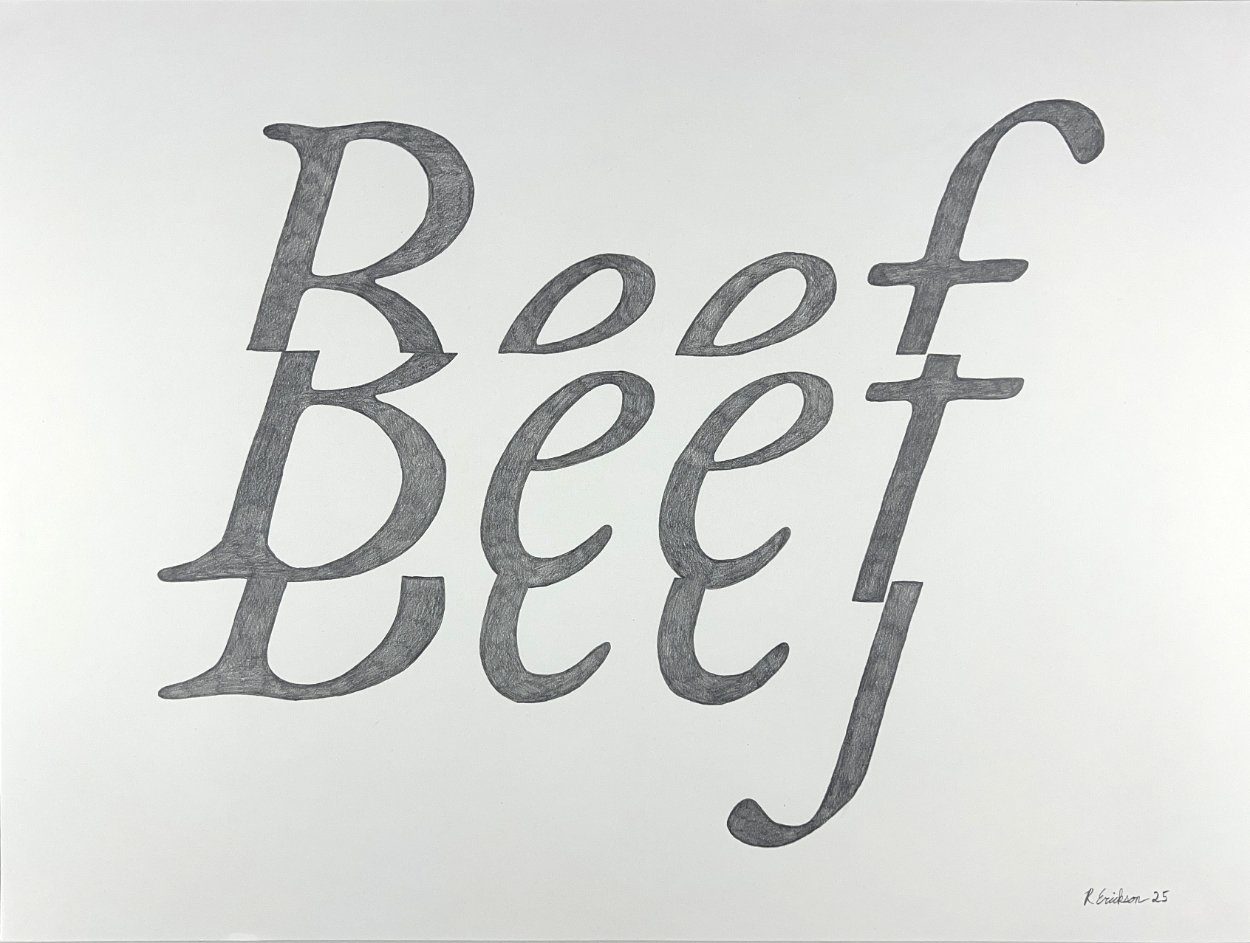
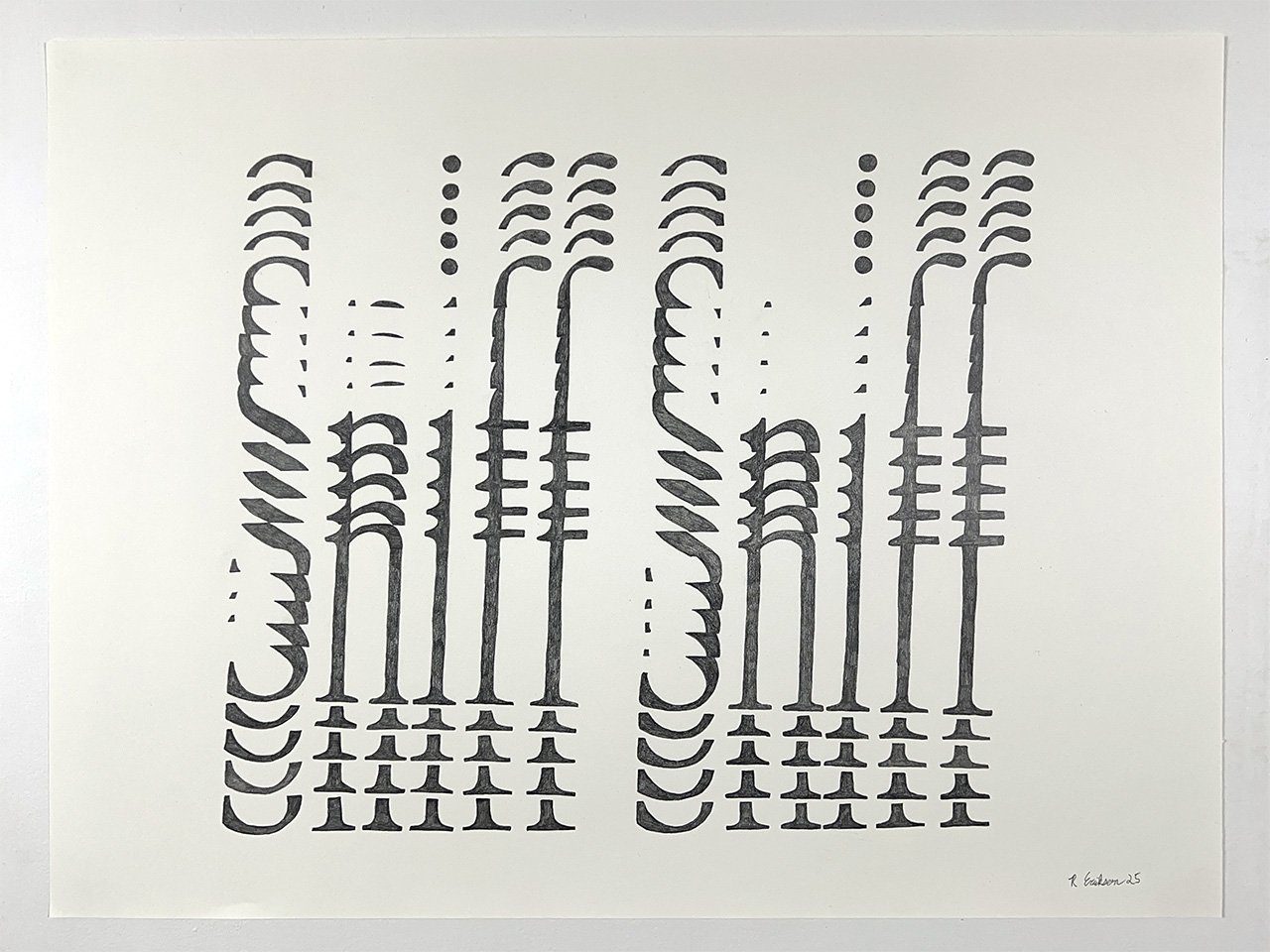
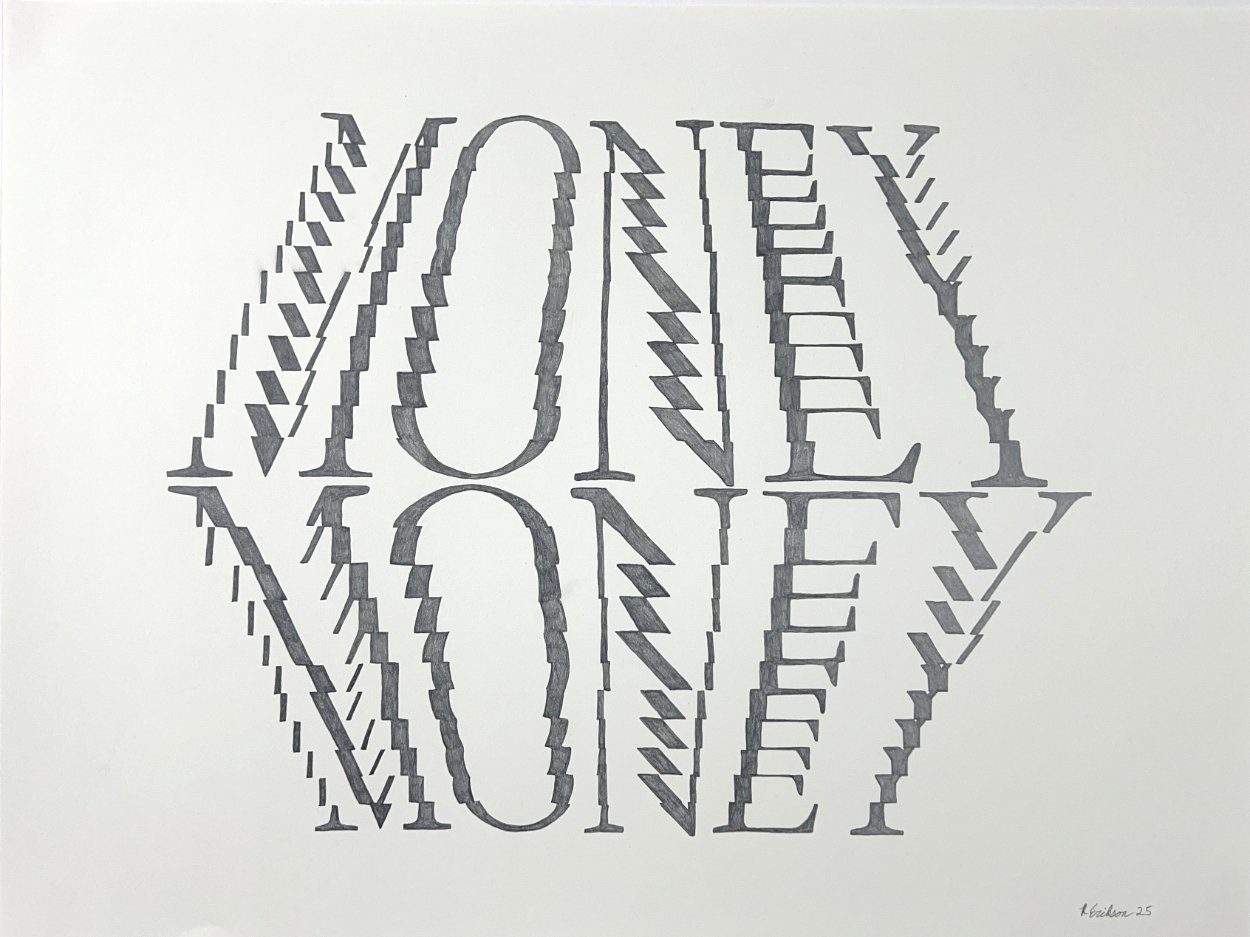
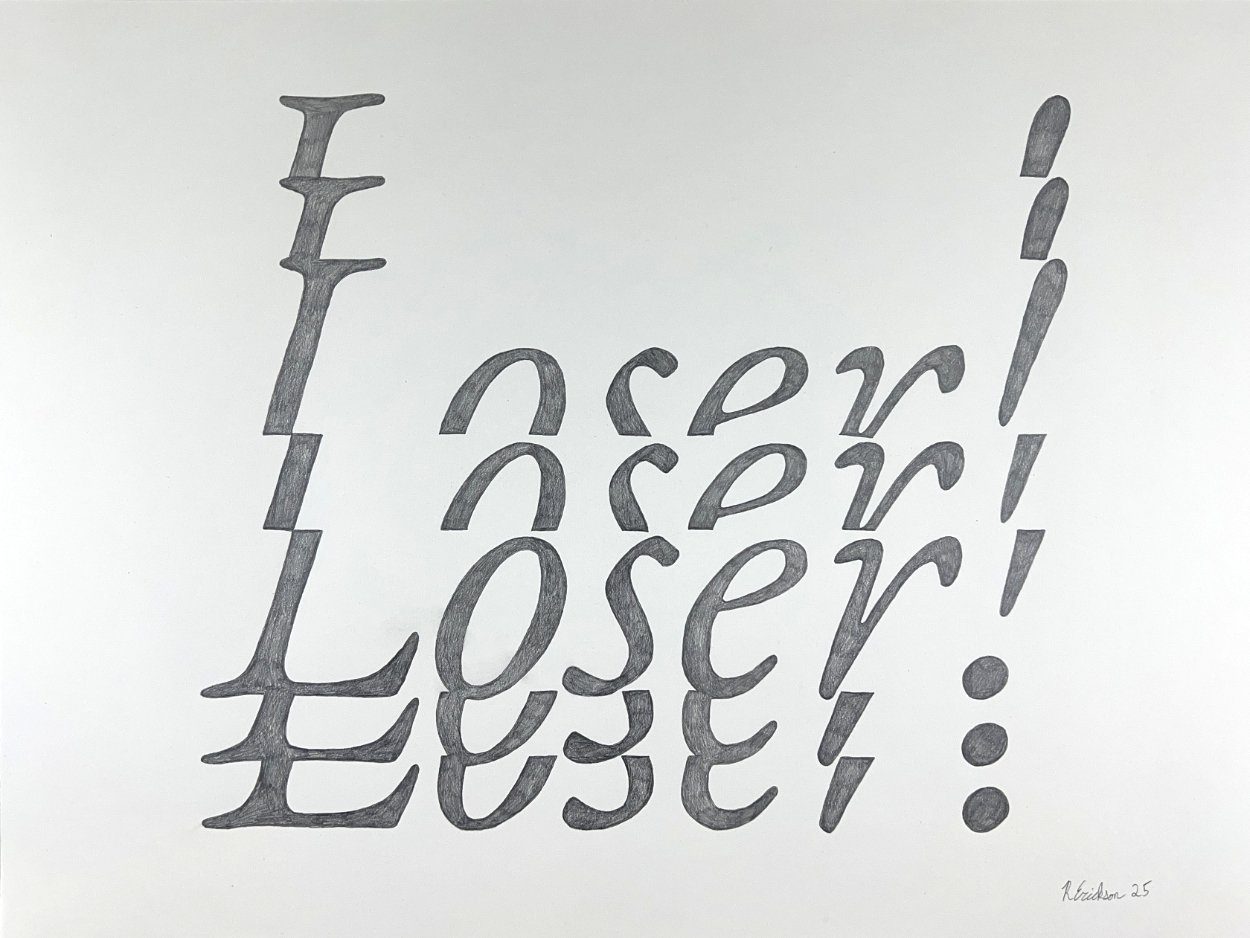
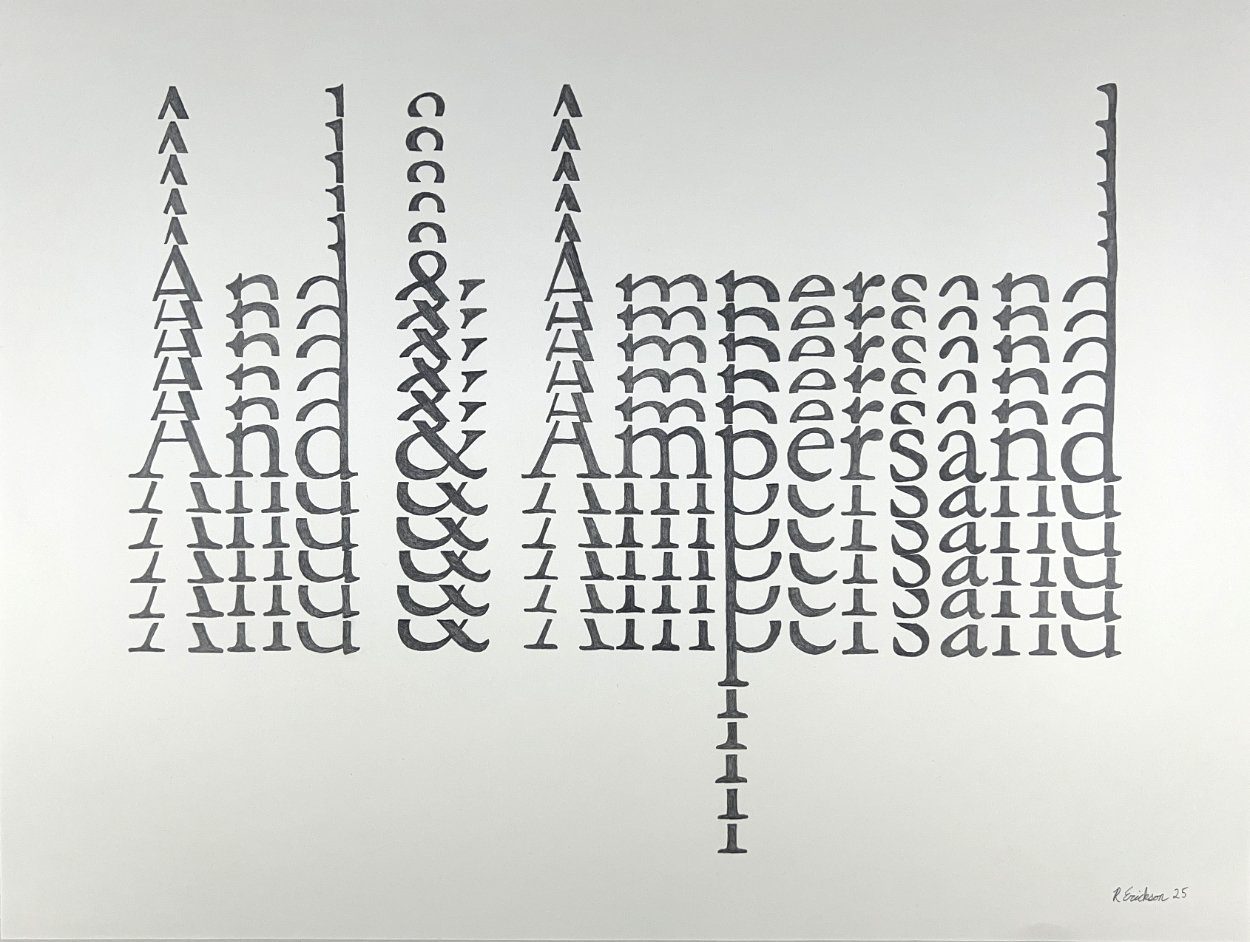
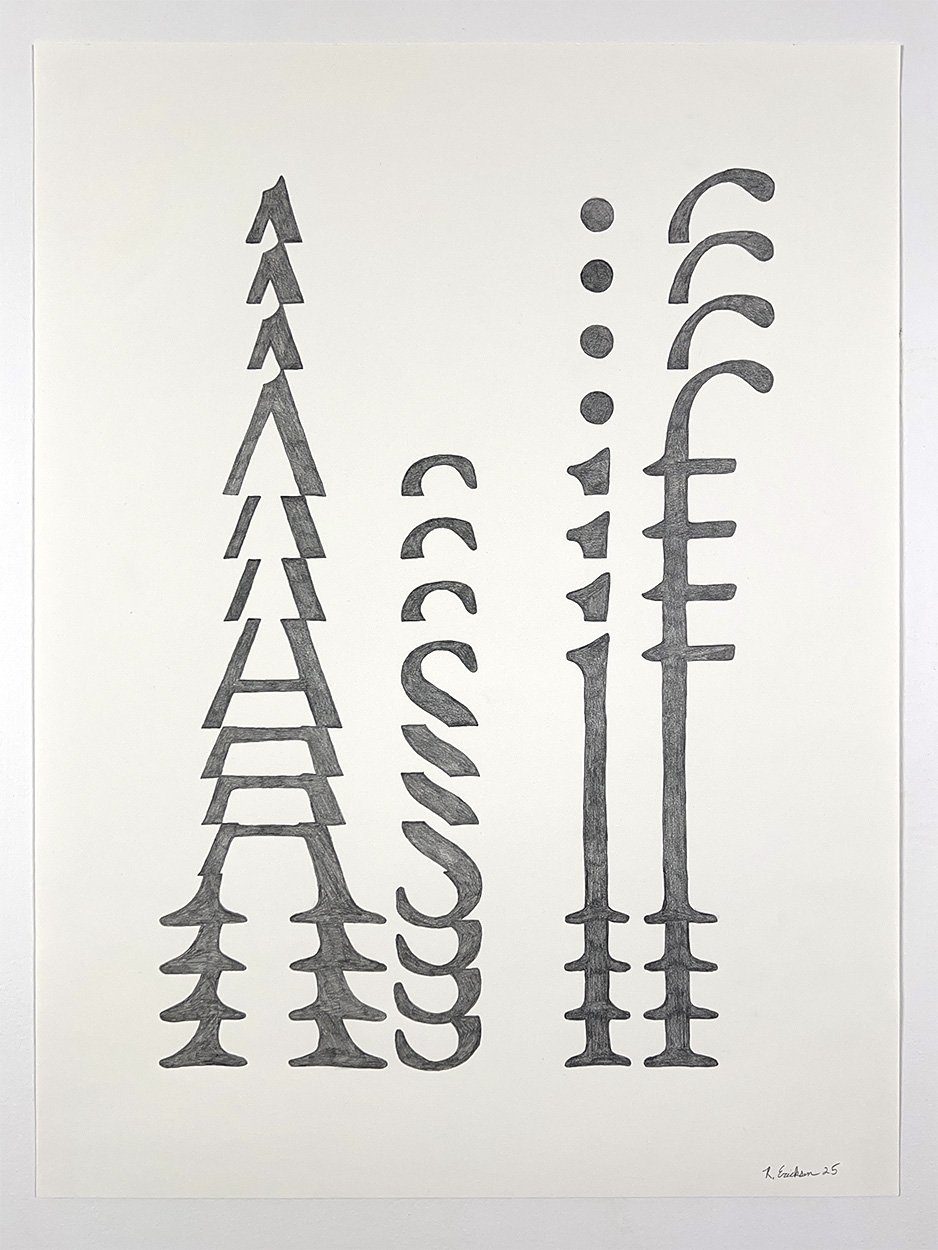
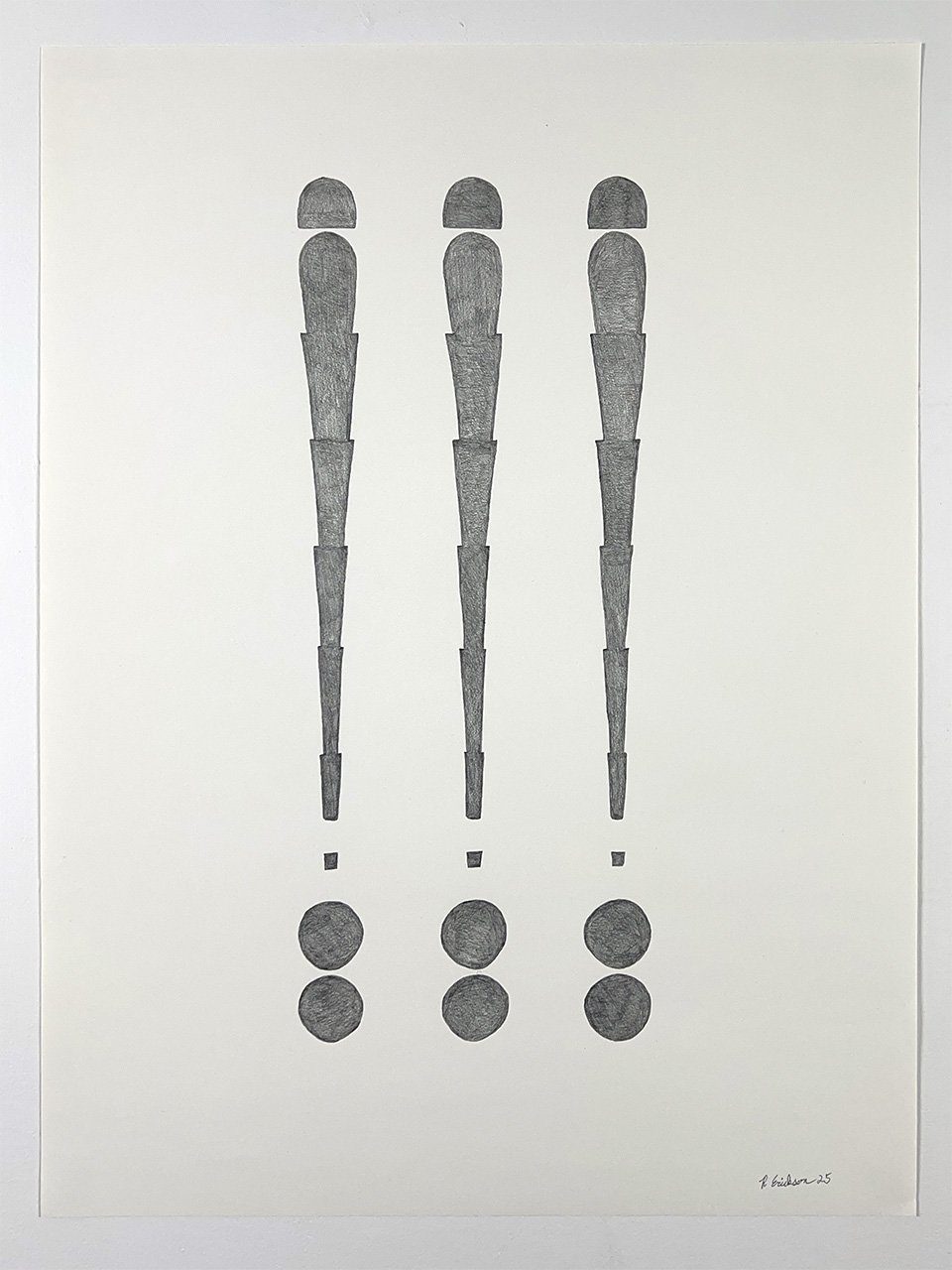
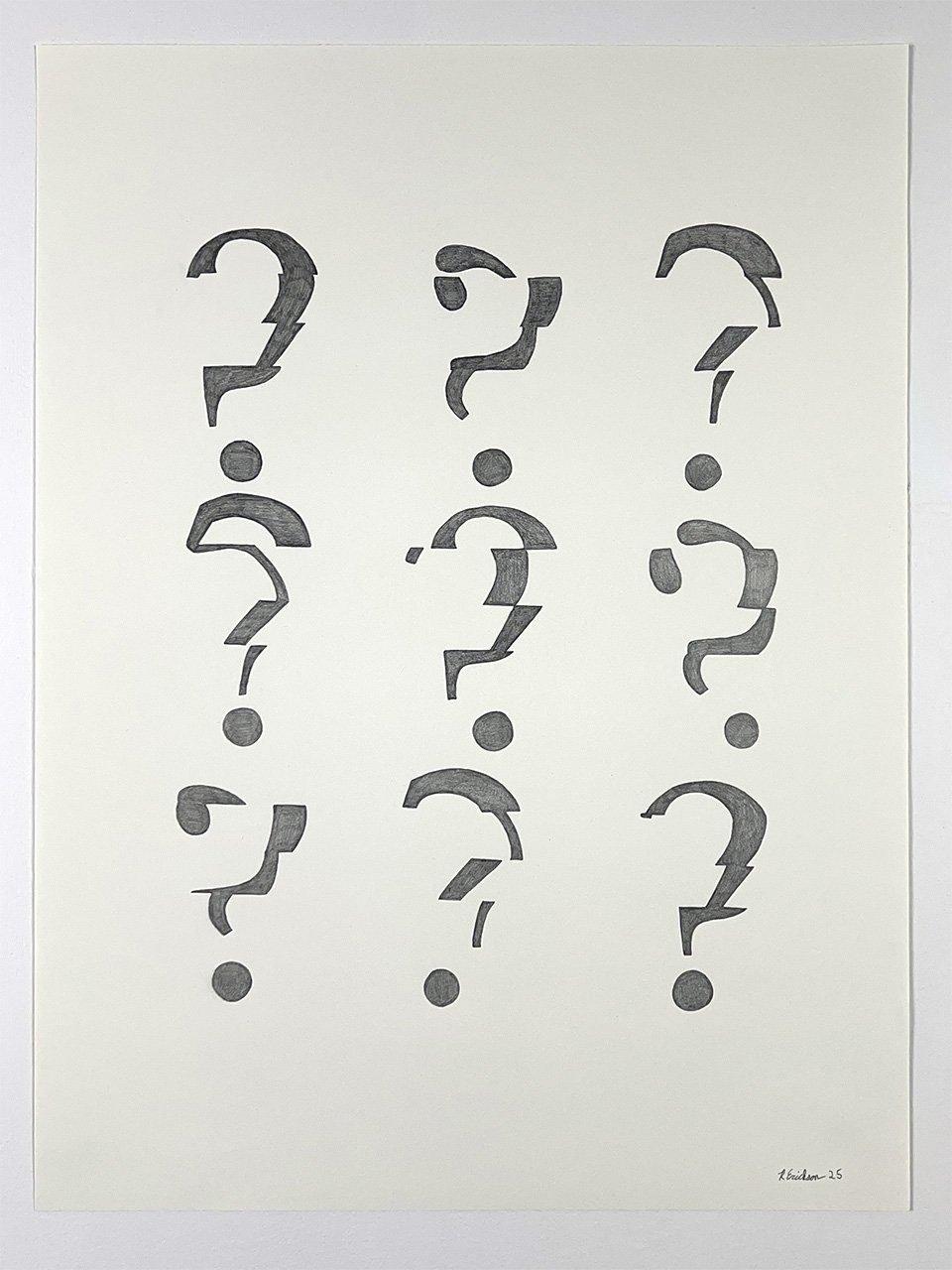
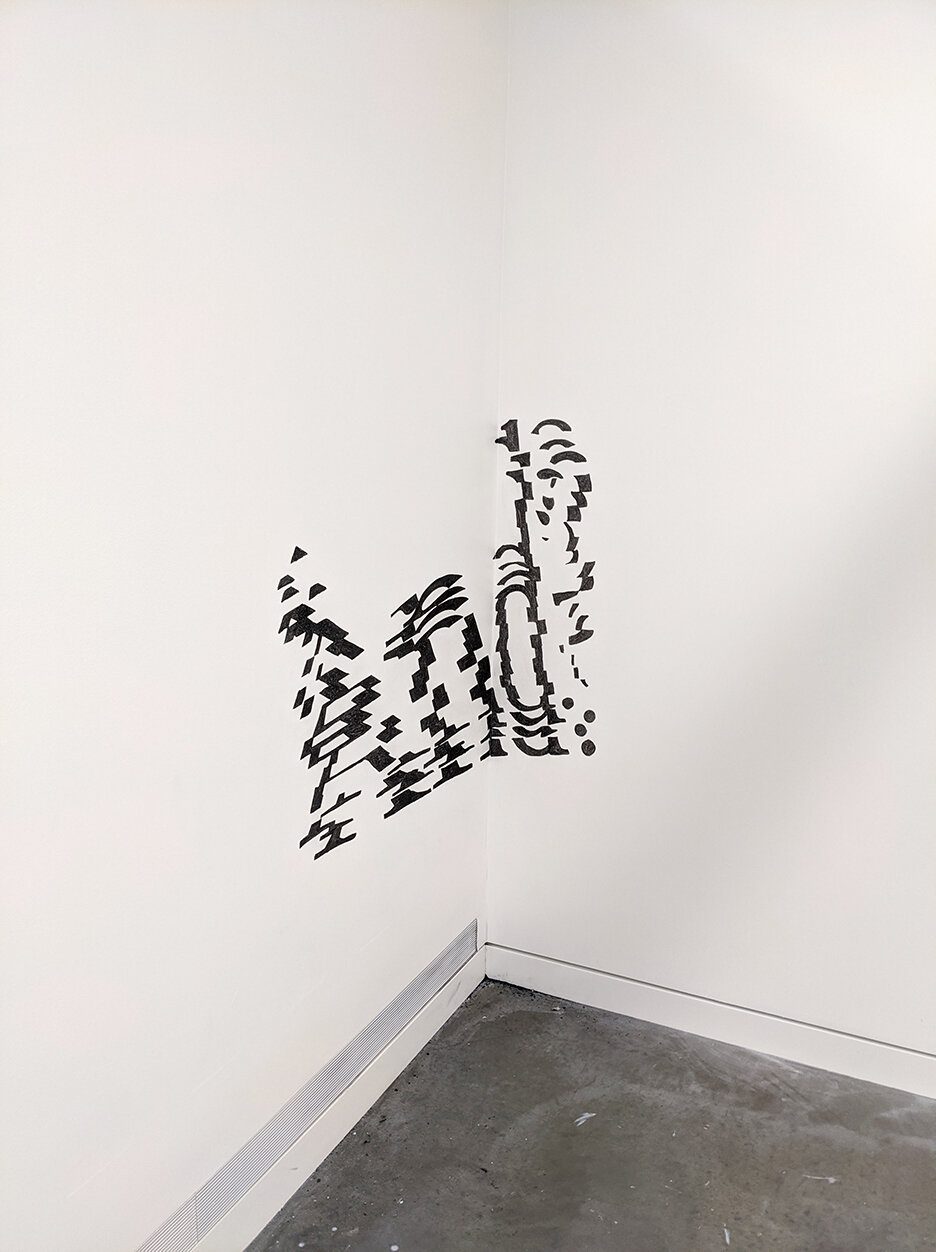
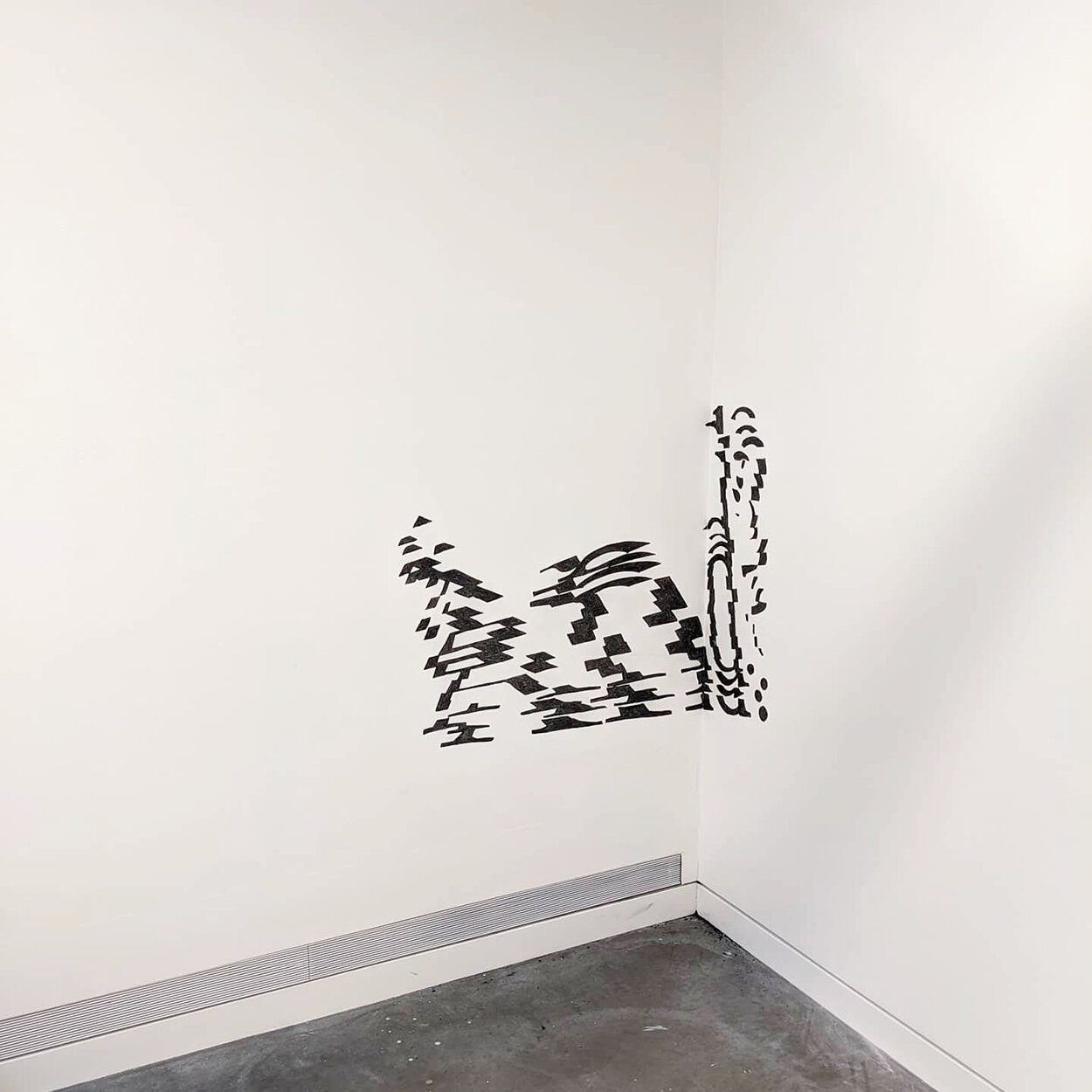
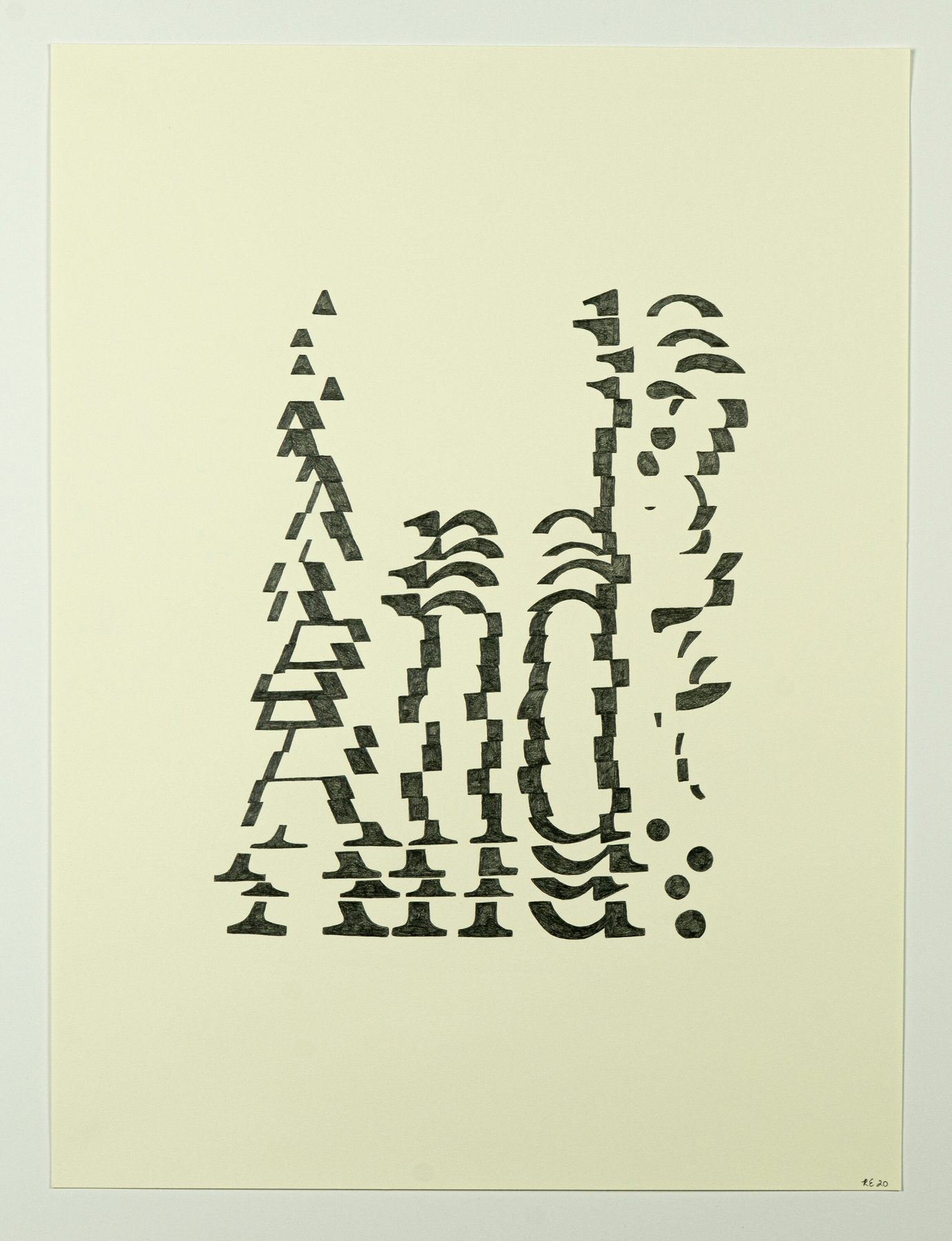
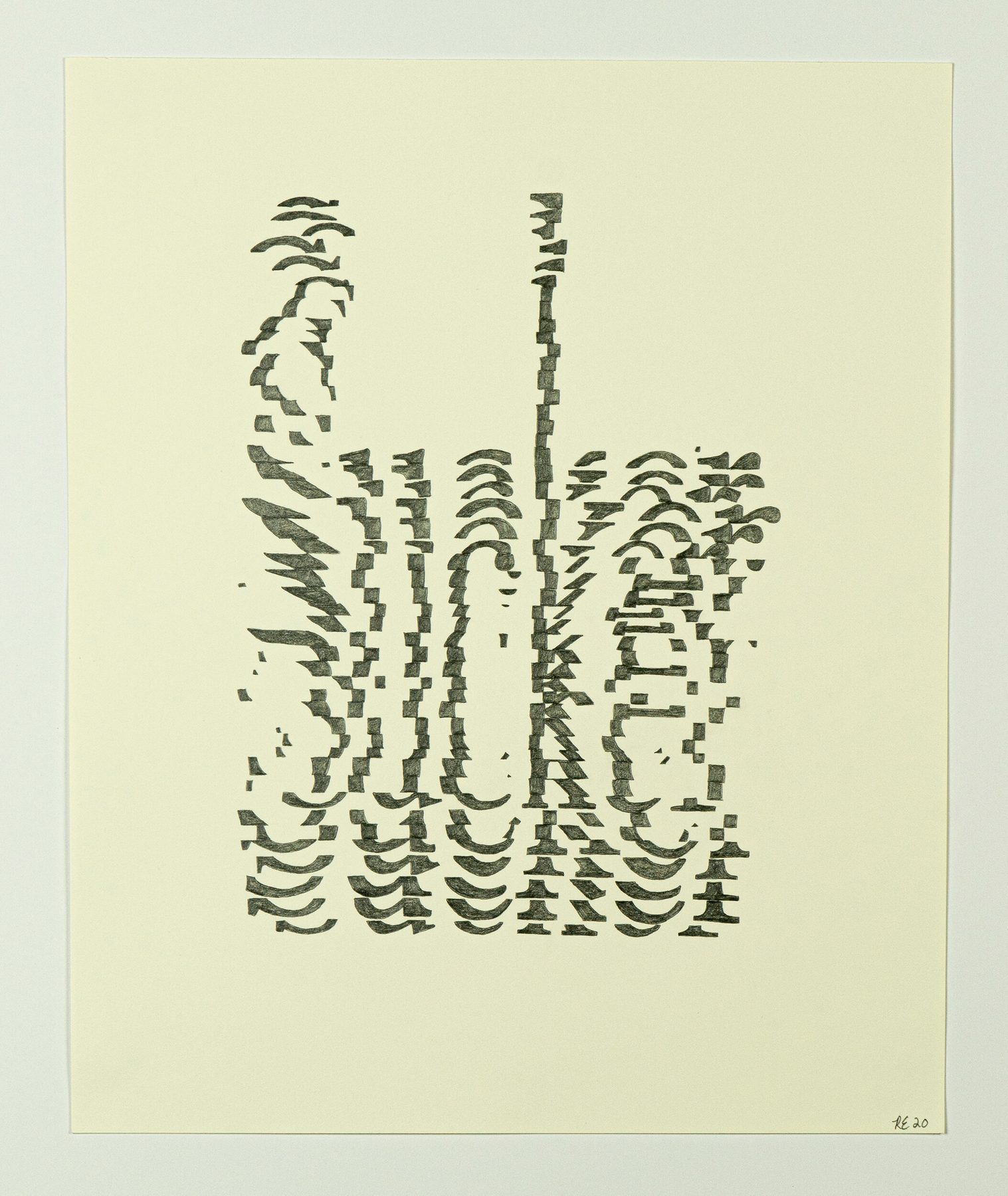
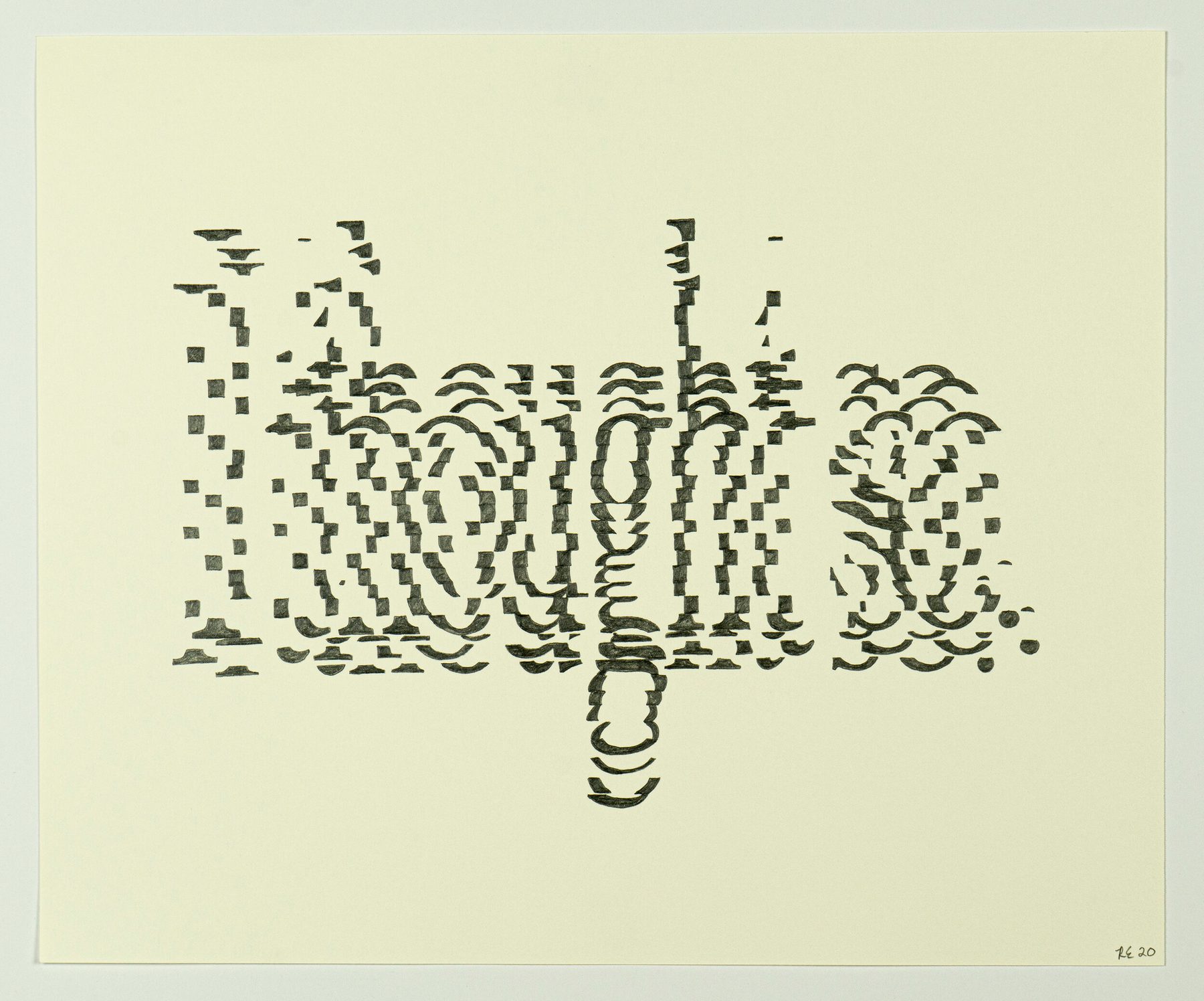
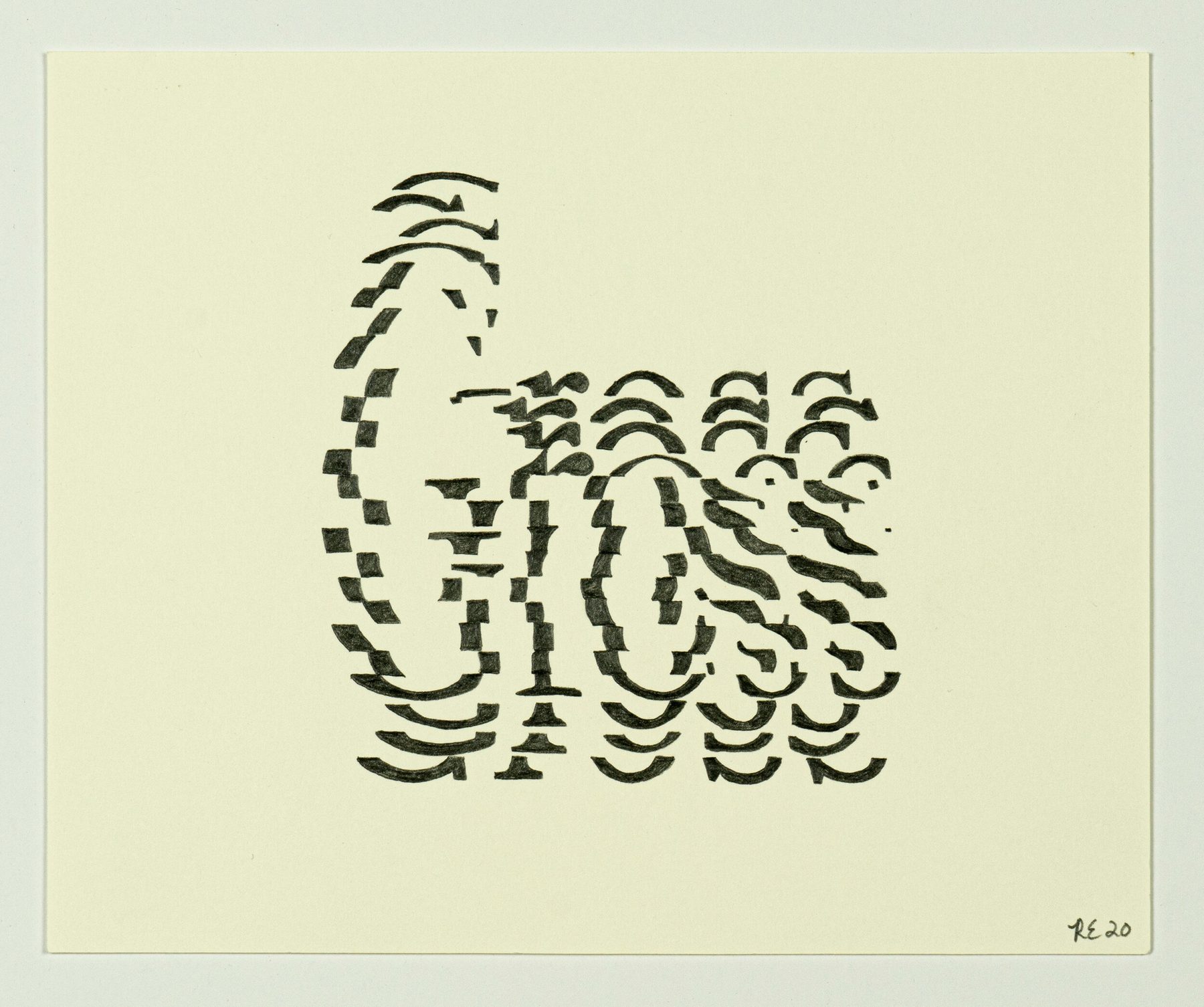
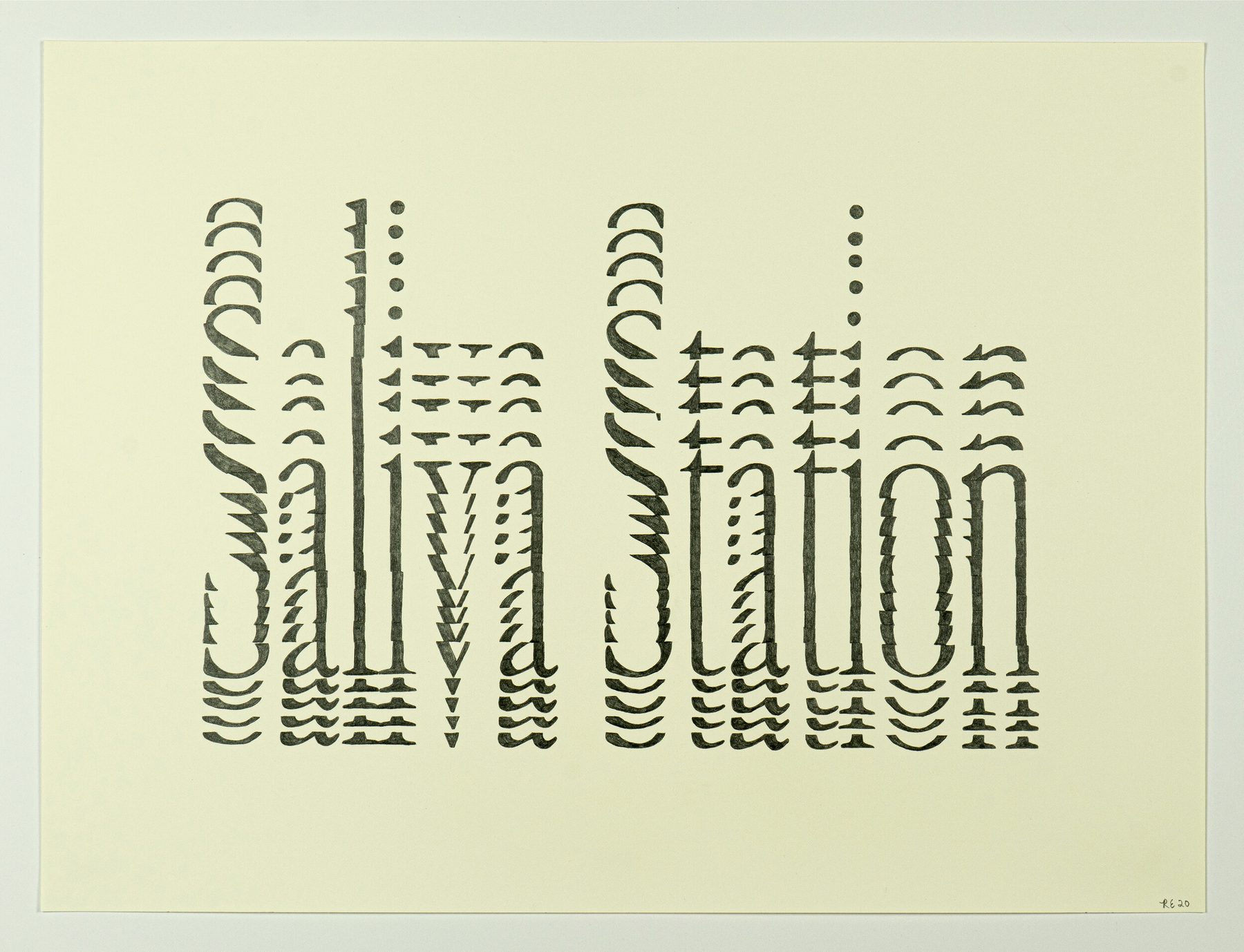
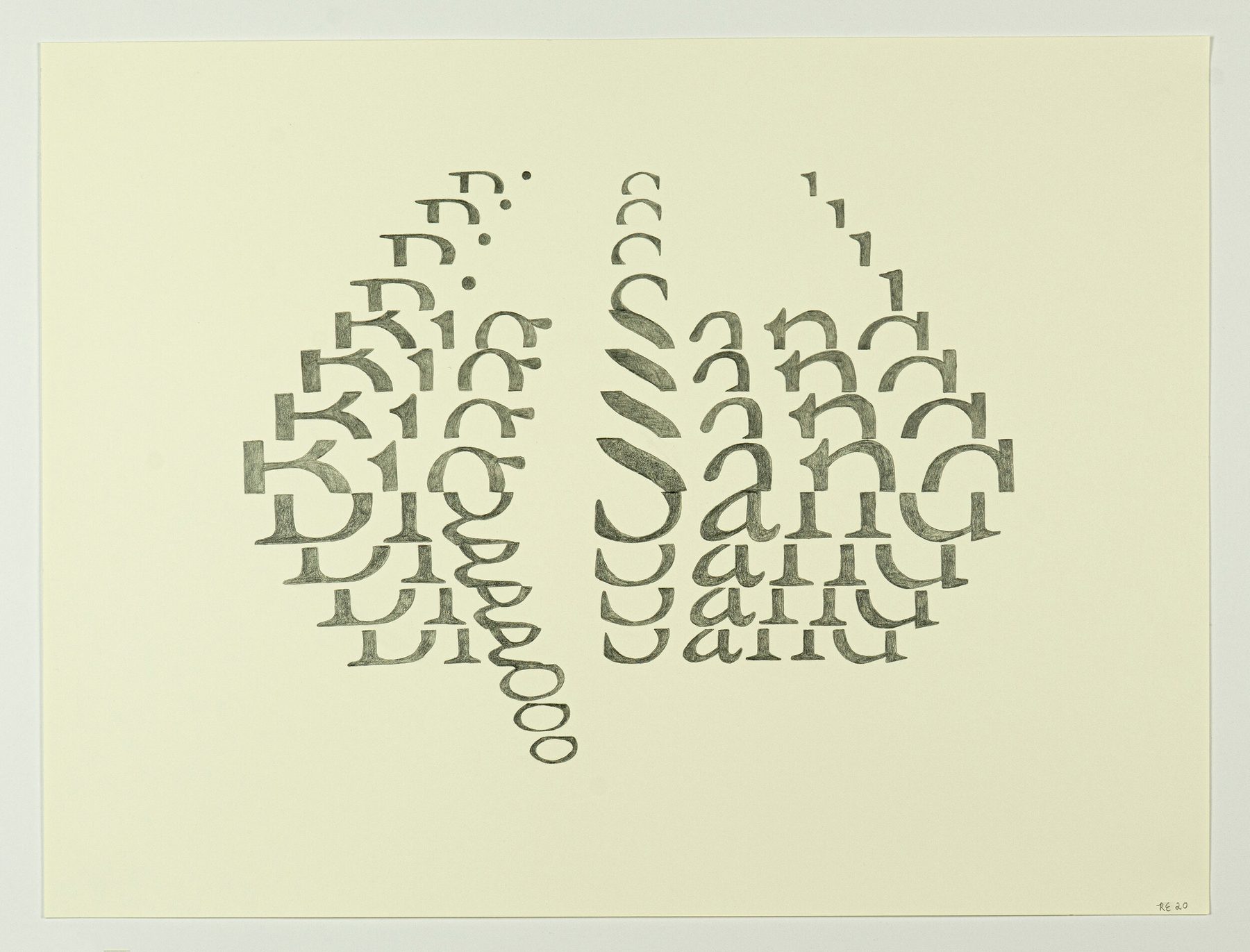
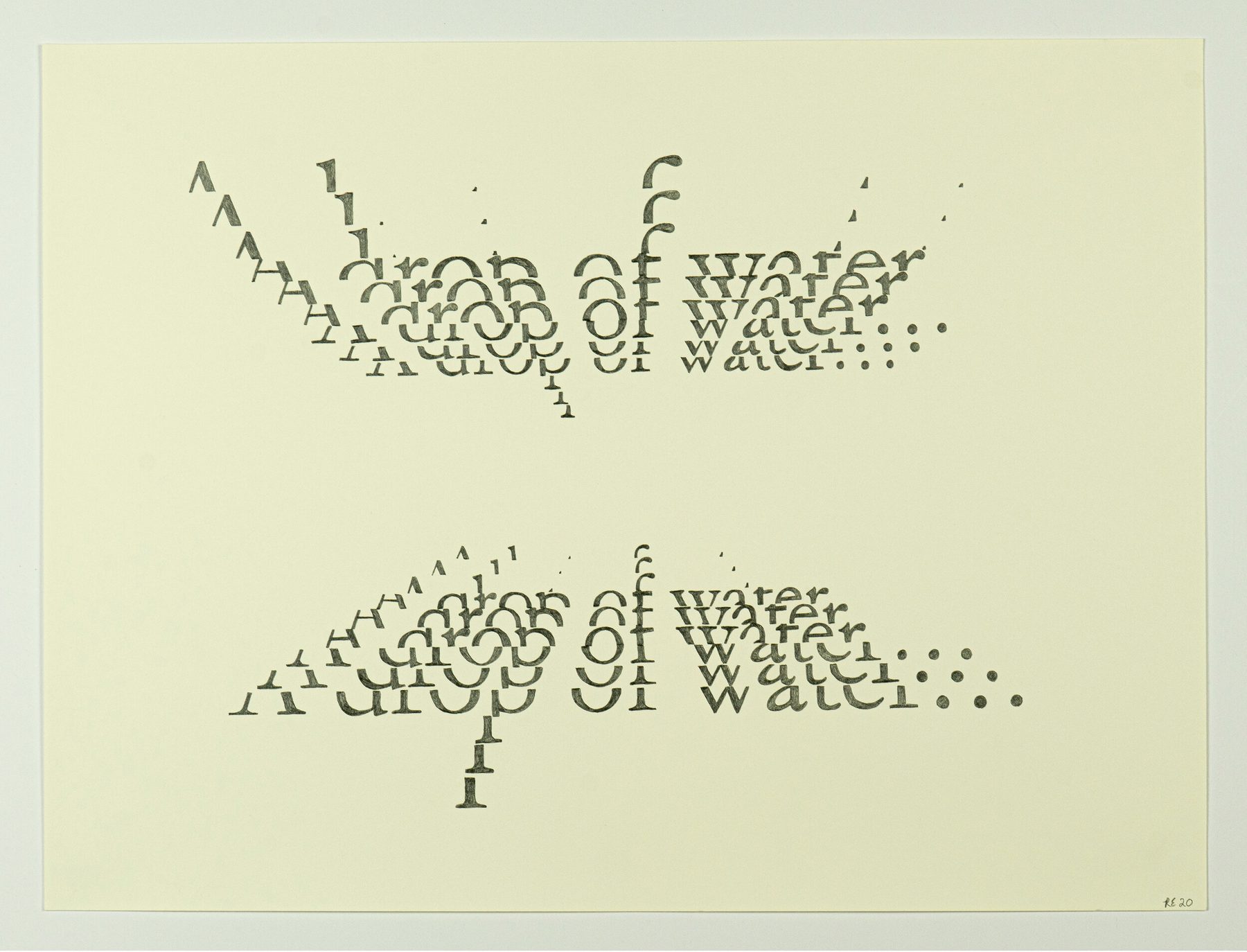
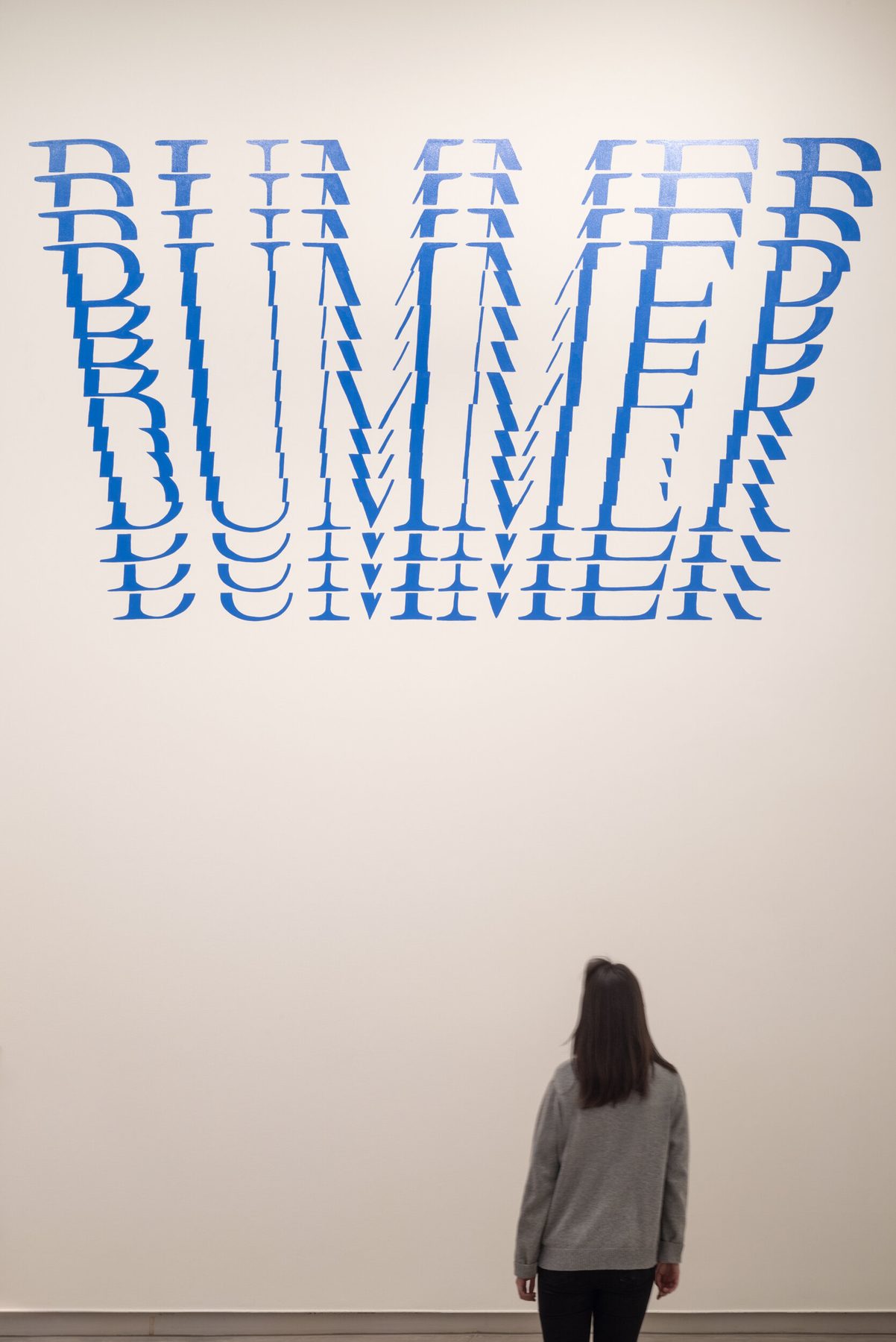
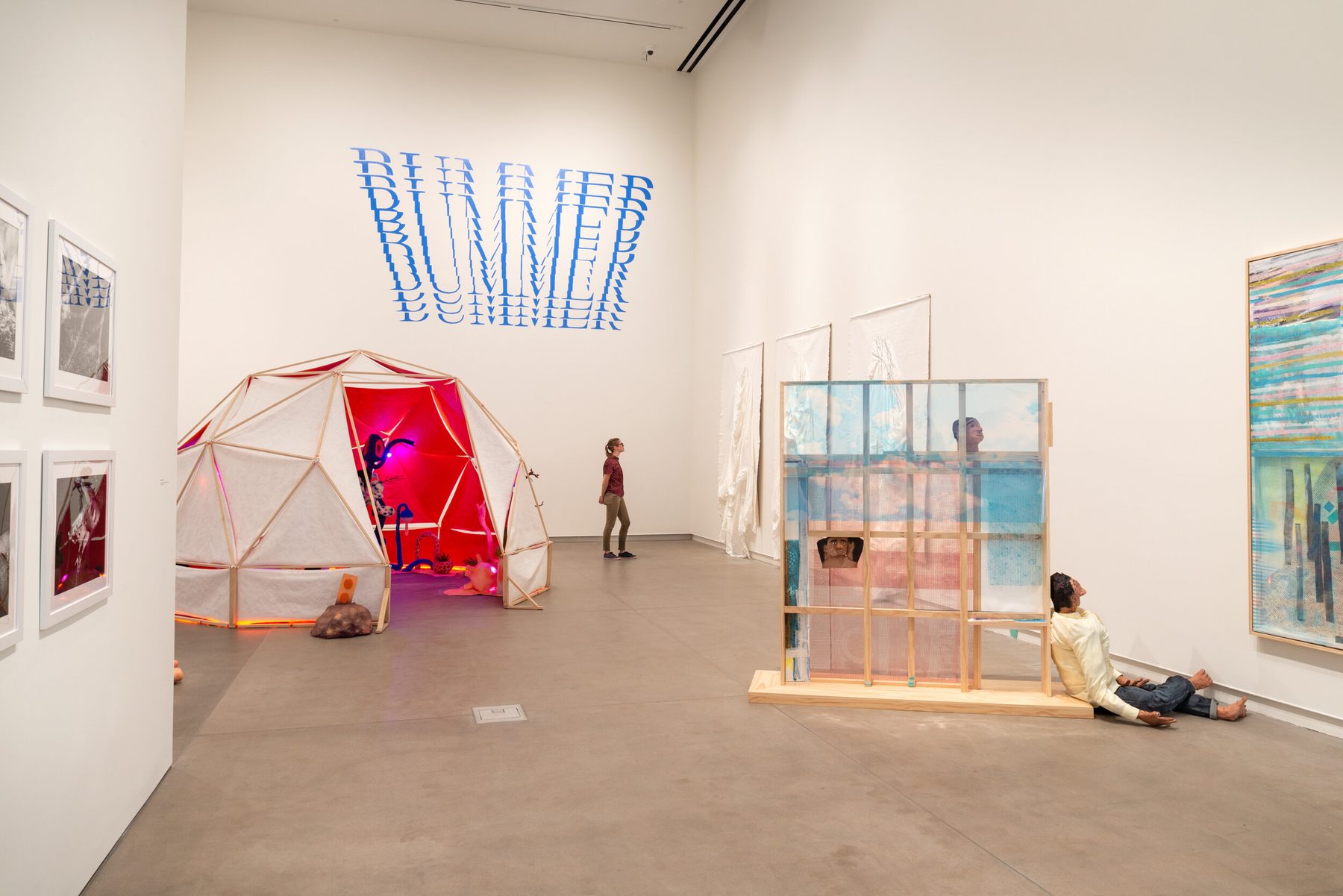
When faced with Coloradan artist Ryan Erickson’s (b. 1992) recent series of works on paper, The Shape of Language (pencil on paper, 2020), one might recall a strophe from “Water Picture,” by the poet May Swenson (1913-1989), who dabbled in concrete forms:
In the pond in the park
all things are doubled:
Long buildings hang and
wriggle gently. Chimneys
are bent legs bouncing
on clouds below. A flag
wags like a fishhook
down there in the sky.
What exactly is the shape of language? This is not only a question of the mise-en-page but also a question pertaining to the utterance: the shape of the mouth as it forms words, the pitch of language as it rises and falls, dilates and contracts, unfurls and folds back onto itself in time, the shapes and colors and sensations it evokes.
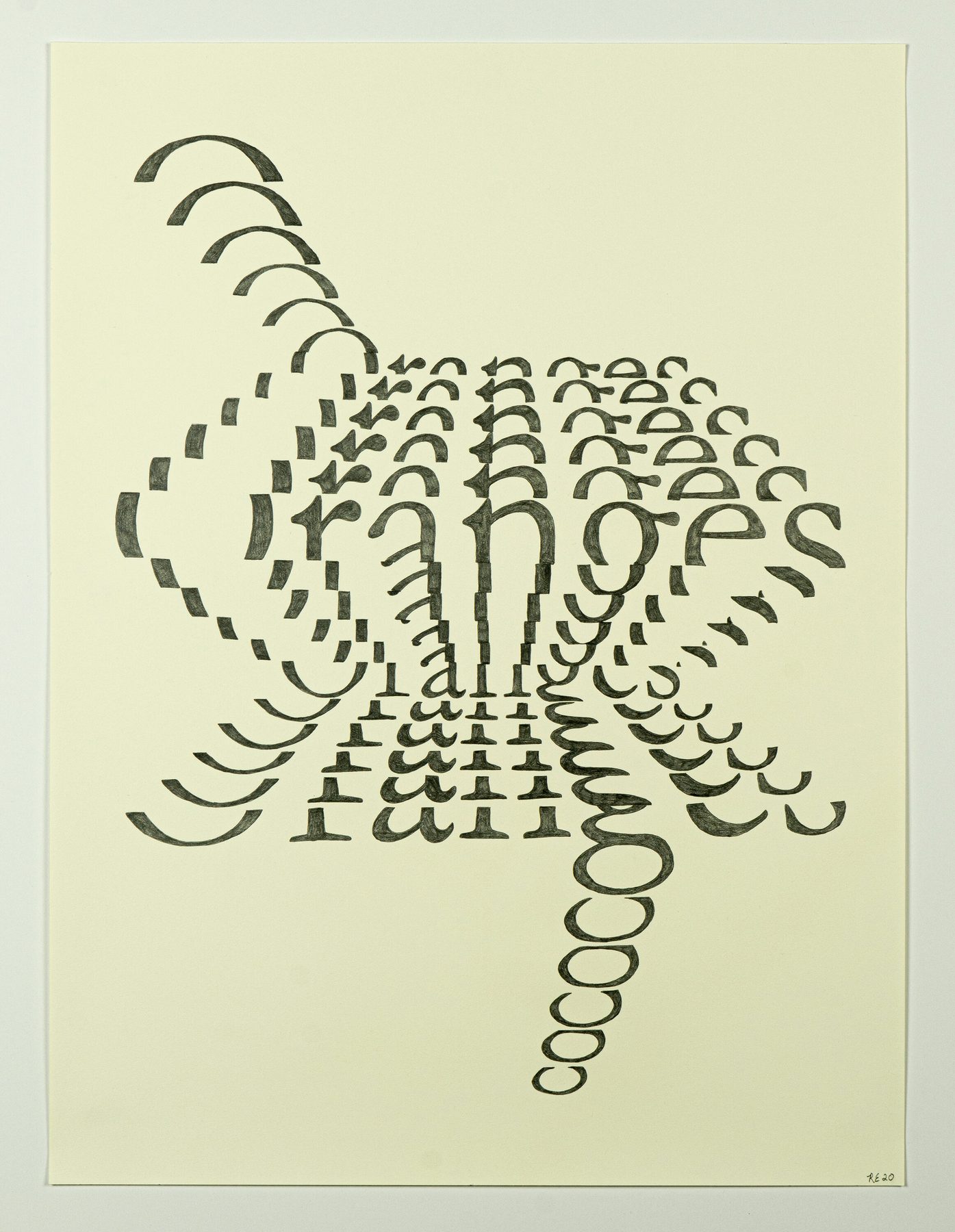
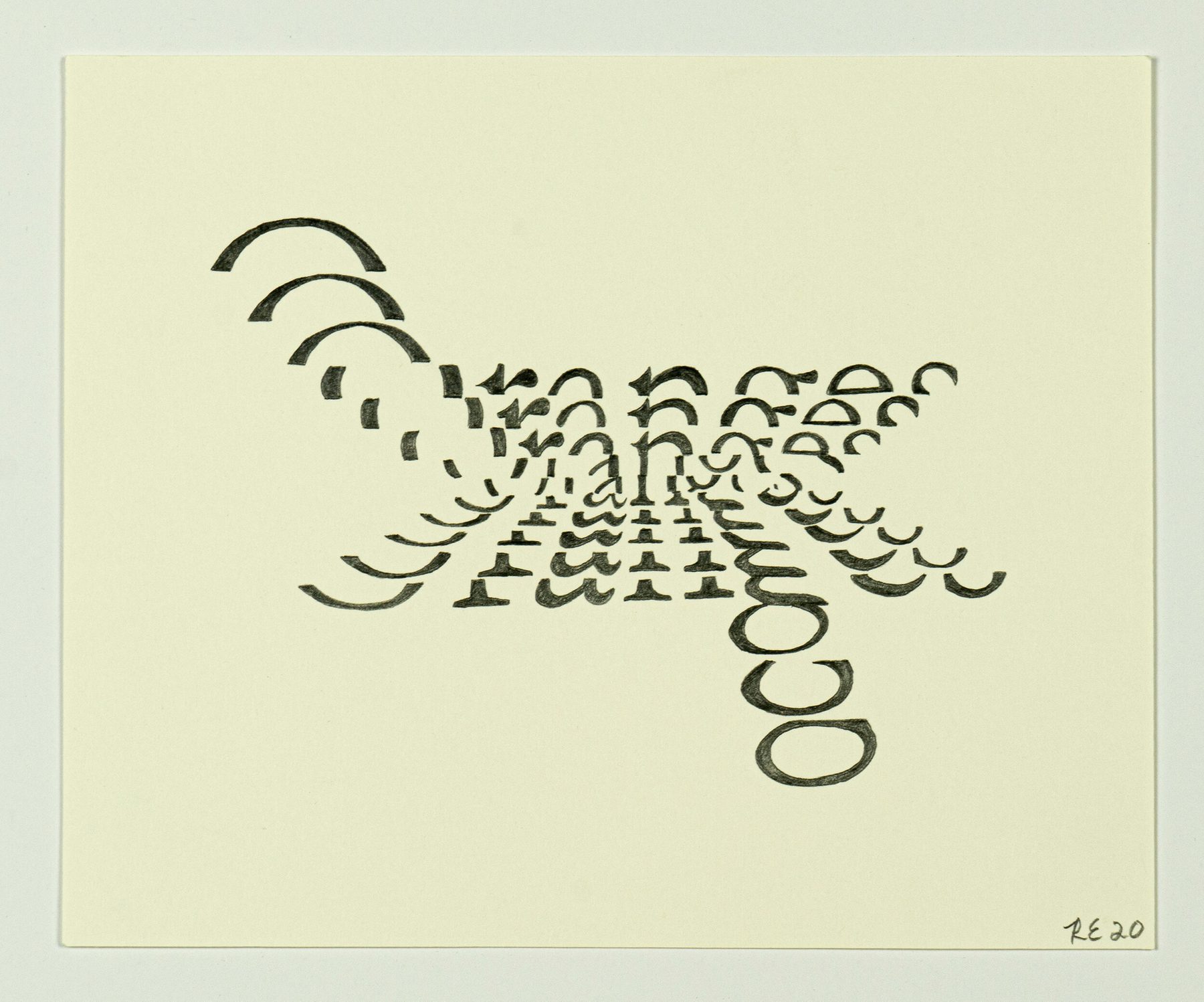
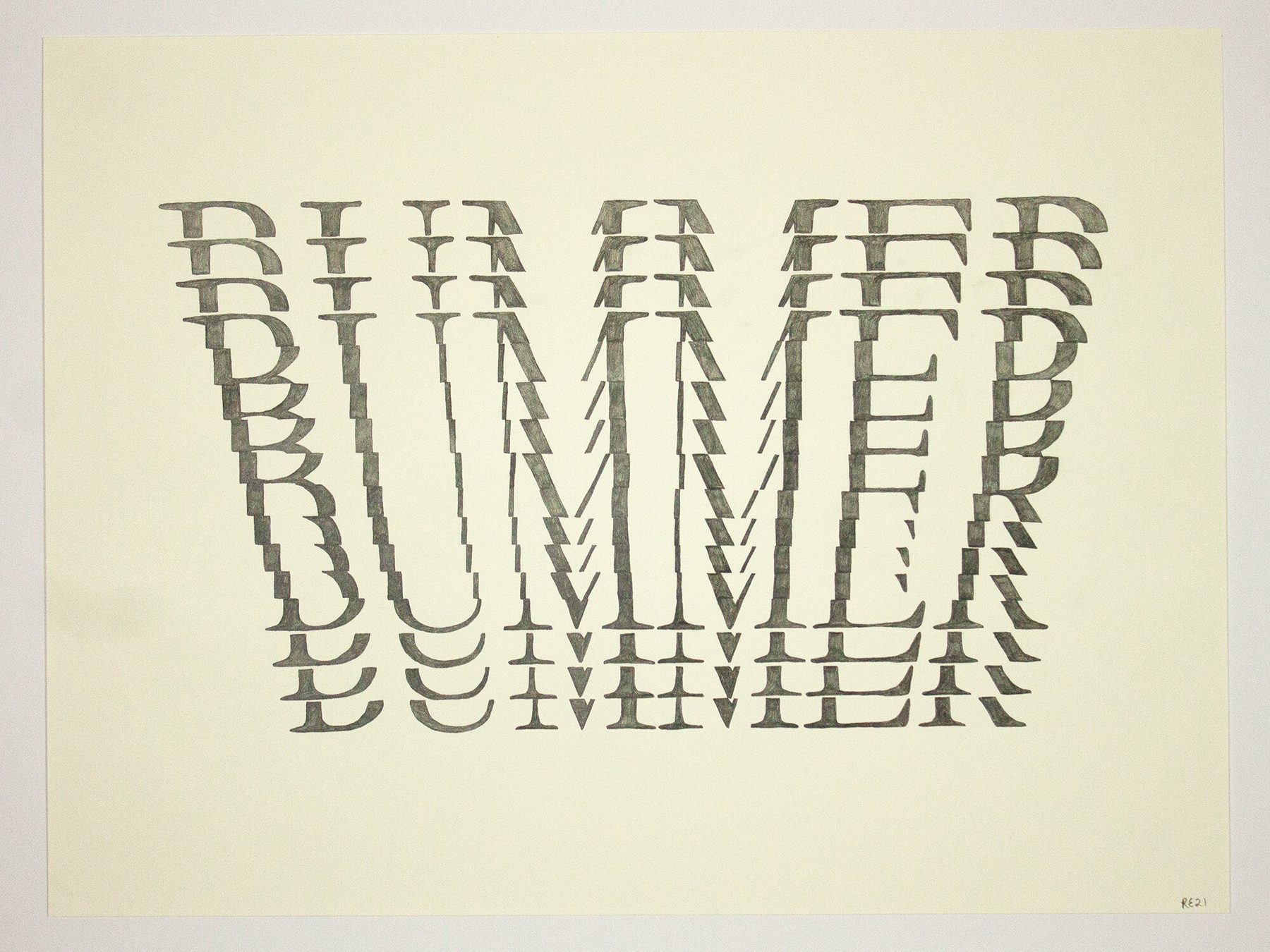
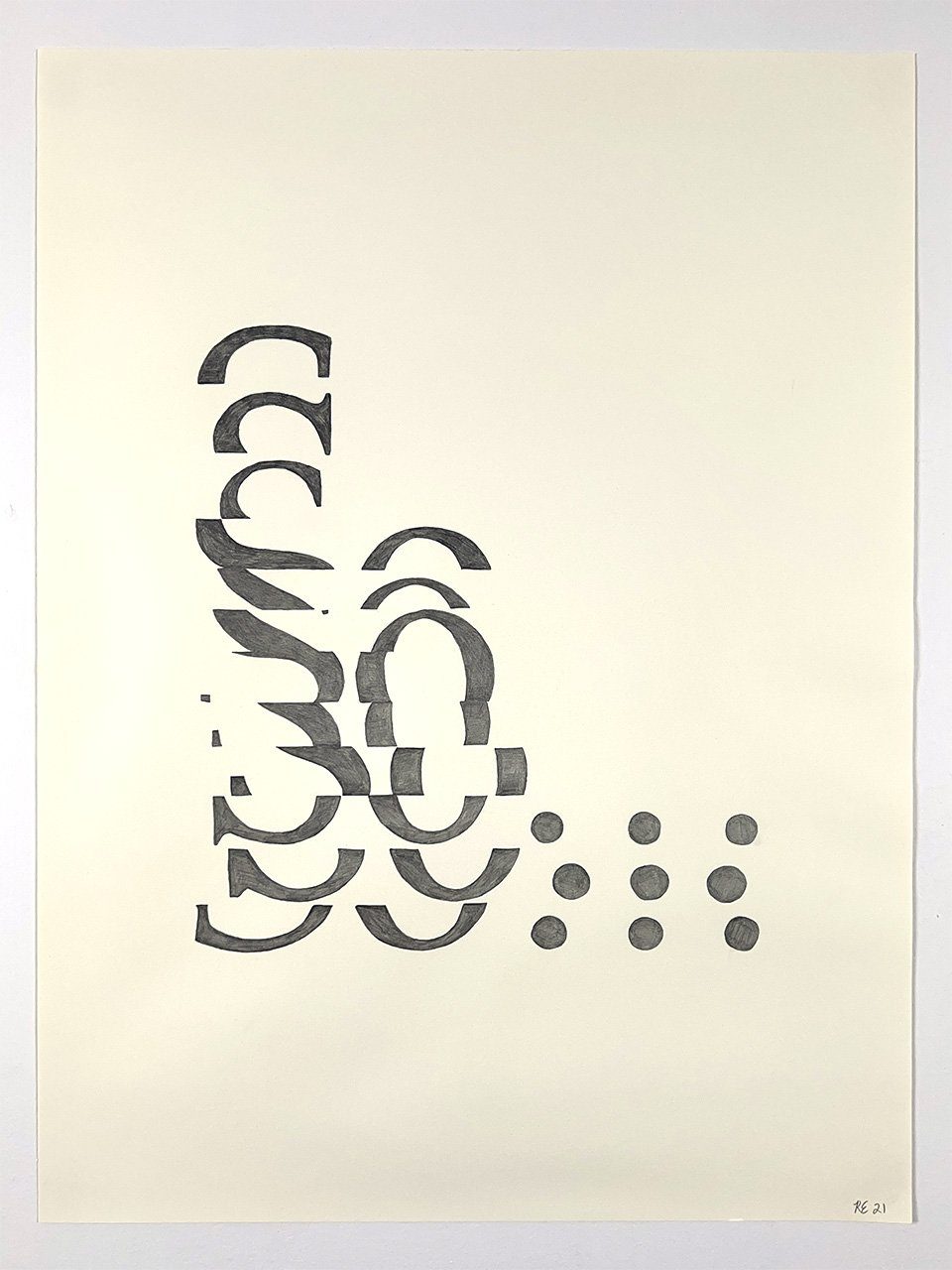
The eight works in Erickson’s Shape of Language series speak, like a choir, in different voices and registers. That is to say, the eight parts of the series seem to be having a conversation among themselves. There are some, like “Sucker,” “I Thought So,” and “Gross,” which confront, and others like “A Drop of Water,” which descends into a vanishing point. “Oranges (1) and (2)” call upon all five senses. “Over & Over” is elongated to embody the feeling of tedium. “Big Sand” is wry, evocative, and perplexing, gesturing to a larger conversation that the viewer is not necessarily privy to on first glance. (This particular phrase, “Big Sand,” came out of a conversation about the global sand market and should read as one would “Big Data” or “Big Pharma.”)
Some of the works in the series are less legible than others and seem to function less like concrete poetry and more like puzzles that work by way of occlusion, or like Wittgenstein’s language games, wherein neither game nor context is provided. The words appear to the eye to be mediated by a lens that both magnifies and refracts. While remaining cloistered in their ambiguity, they nonetheless reveal the very bones of their structure.
The words and phrases survive as a record of the days, as well as remnants of a particular day. They are both generalizable and startlingly specific—why two “Oranges”? What context gave rise to “Gross”? In a lecture by Annette Lawrence on On Kawara, Lawrence shares a page of her journal that contains a quote from Lucy Lippard’s Overlay (New York: The New Press, 1995): “One of art’s functions is to recall that which is absent—whether it is history, or the unconscious, or form, or social justice.”
Ultimately, the act of collaging and redrawing words in pencil speaks to a practice of austere diligence. That one would take the time to arrange and reproduce the word “oranges” speaks to one’s dedication not only to the written word but to the concept of oranges, and what stays with the viewer of The Shape of Language is a pleasant sense of this diligence, an aftertaste of the words. One may be reminded of a strophe from Wallace Stevens’s famous poem, “Thirteen Ways of Looking at a Blackbird,” which is to say, Erickson’s work trains one’s eye and ear to look and listen more carefully, to apprehend language in its every form:
I do not know which to prefer,
The beauty of inflections
Or the beauty of innuendoes,
The blackbird whistling
Or just after.
By Jenny Wu
Twitter: @safflower_lady